The 20 most expensive buildings in the world: from super mosques to luxury casinos
A new interpretation of Alpine architecture has been built in Sauze d’Oulx, showcasing how integrated, sustainable, and high-quality buildings can be developed and delivered with BIM and ALLPLAN.
In summary: > The Baite Belle Vue project in Sauze d’Oulx reinterprets Alpine architecture through a sustainable, high-quality micro-village concept. > Developed entirely in ALLPLAN, the project integrates architecture, structure, and terrain within a unified BIM workflow. > Precise terrain modeling enabled seamless integration of underground garages, access roads, and stepped building volumes. > Advanced BIM coordination supported energy-efficient design solutions, including NZEB A4 performance and photovoltaic integration. > Detailed 3D modeling improved collaboration between architects, engineers, and site teams throughout design and construction. |
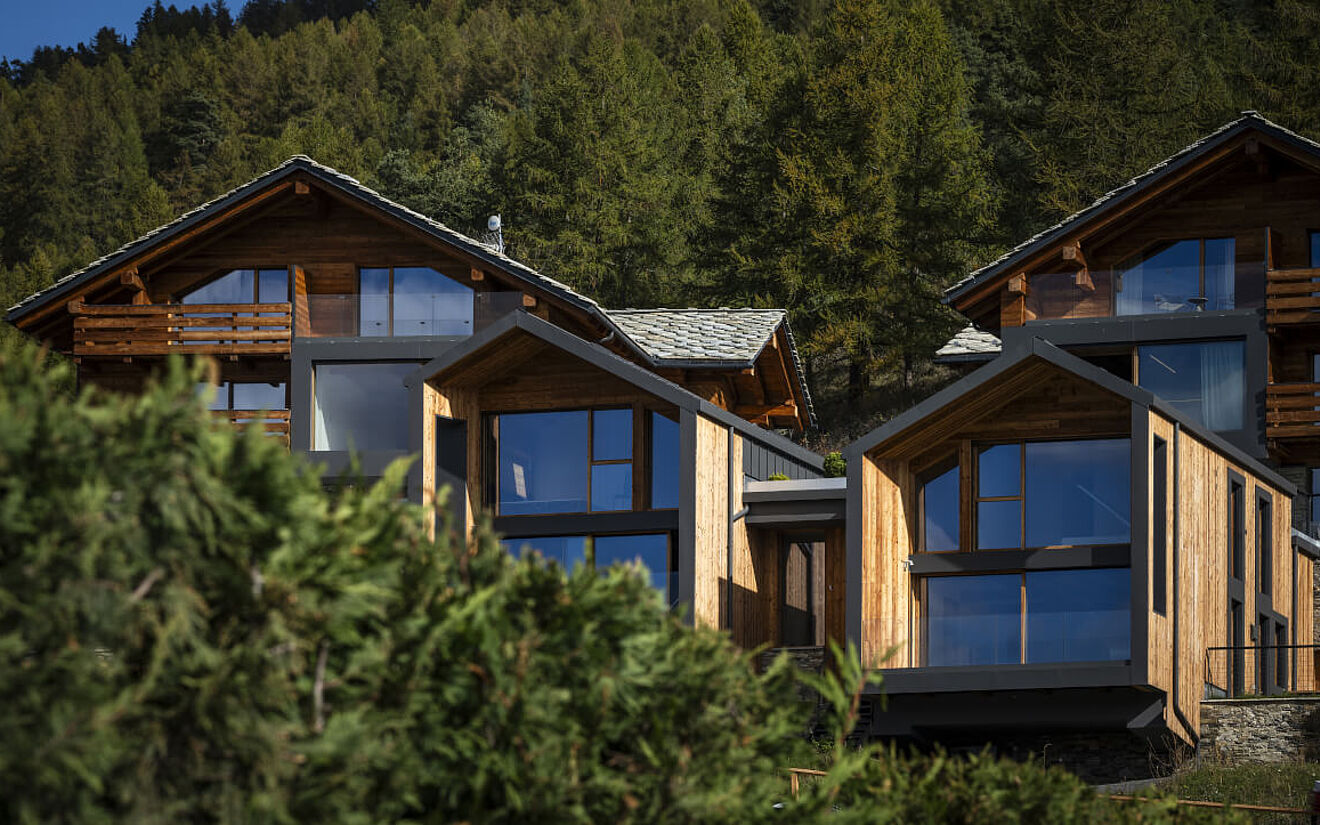
High in the Piedmontese Alps, in the mountain resort town of Sauze d’Oulx, a new vision of alpine living has taken shape. Designed by the Italian architectural practice AB2ER, the Baite Belle Vue project is not a single chalet, but a carefully composed micro-village of 17 apartments and four independent villas. Designed to blend harmoniously into the surrounding woodland and mountain terrain, the development reinterprets traditional Alpine architecture through contemporary design and fully integrated BIM workflows in ALLPLAN.
The ambition was clear from the outset: create a high-end residential complex that exceeds conventional construction standards while remaining deeply rooted in its landscape.
Designing with the Landscape, Not Against It
The site presented both an opportunity as well as constraints. Positioned on a privileged panoramic slope with open views and dense woodland surroundings, the natural topography became the project’s guiding framework. Every volumetric decision, access route, and sightline was shaped by the terrain.
Rather than imposing geometry onto the hillside, the design team used ALLPLAN’s Terrain module to develop an accurate digital representation of the site’s topography. This proved fundamental in integrating underground garages and access roads directly into the slope, minimizing excavation and preserving the natural profile.
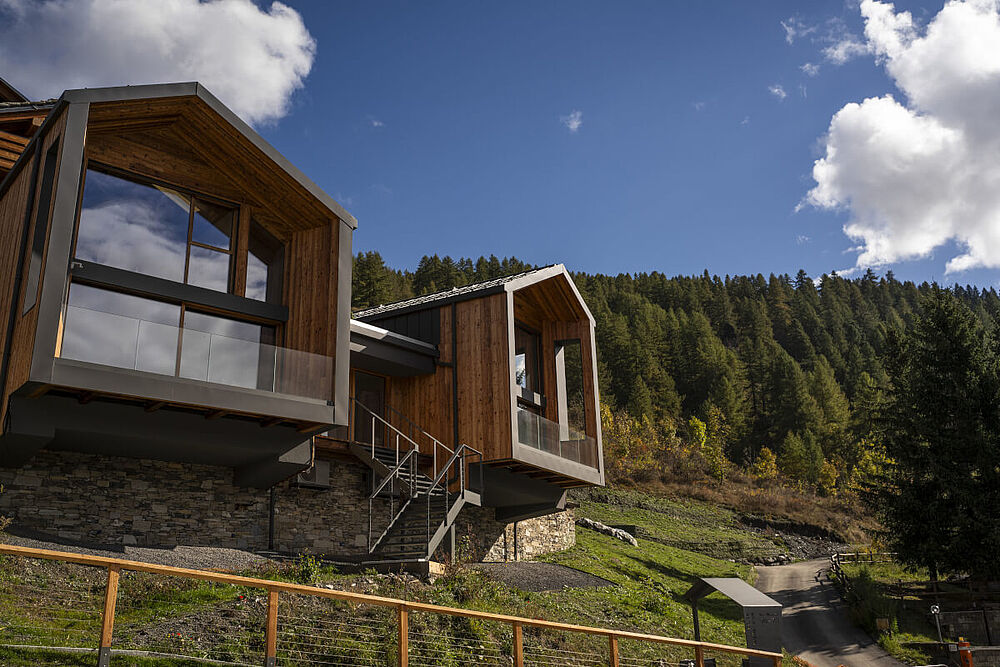
The result is a compact, stepped composition of buildings that sit lightly within the landscape. The chalets appear suspended above the terrain, opening toward the valley through generous glazing while maintaining a measured footprint on the ground.
Balancing Sustainability, Comfort, and Architectural Identity
However, it wasn’t just about looks on this project. Environmental sustainability, accessibility, and living comfort were also core objectives.
Baite Belle Vue was conceived as an accessible micro-village, including accommodation suitable for users with specific mobility needs. At the same time, it aimed to achieve the highest standards of energy performance. Through BIM-supported design decisions, the project incorporates controlled mechanical ventilation, triple glazing, advanced insulation systems, and photovoltaic panels on each unit, contributing to an A4 NZEB energy classification.
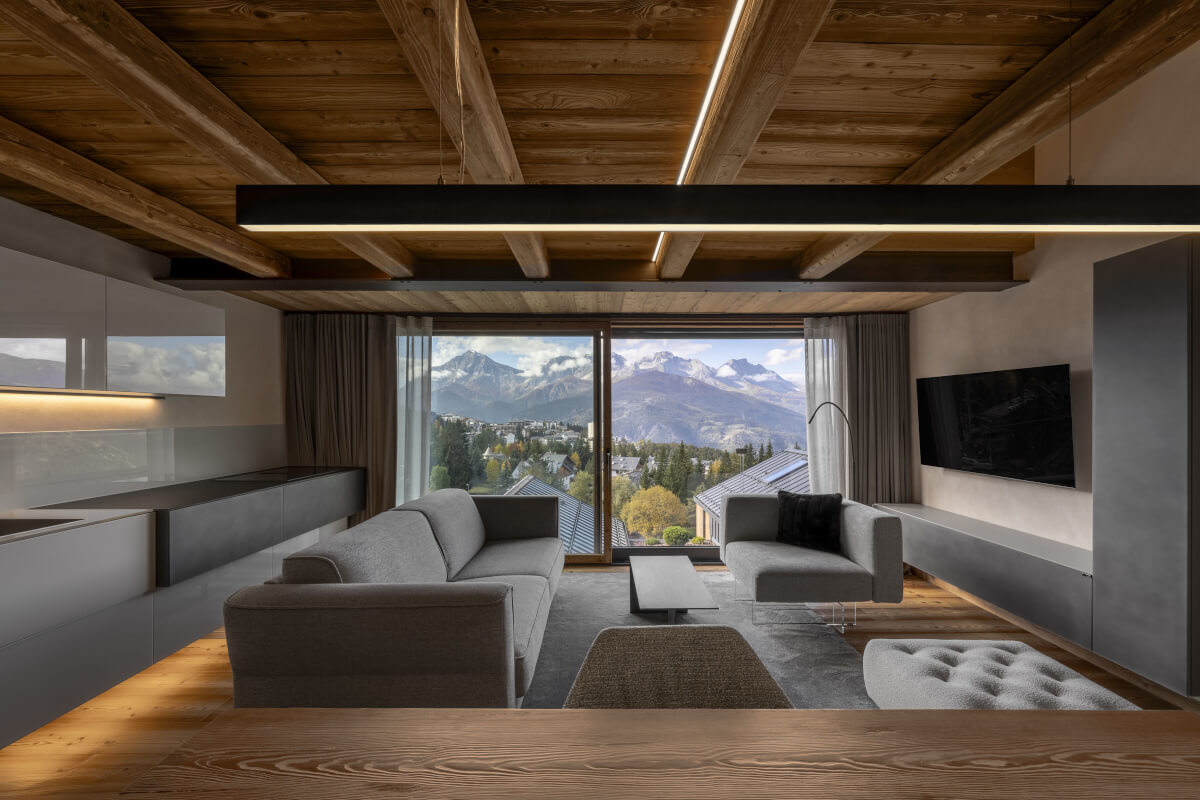
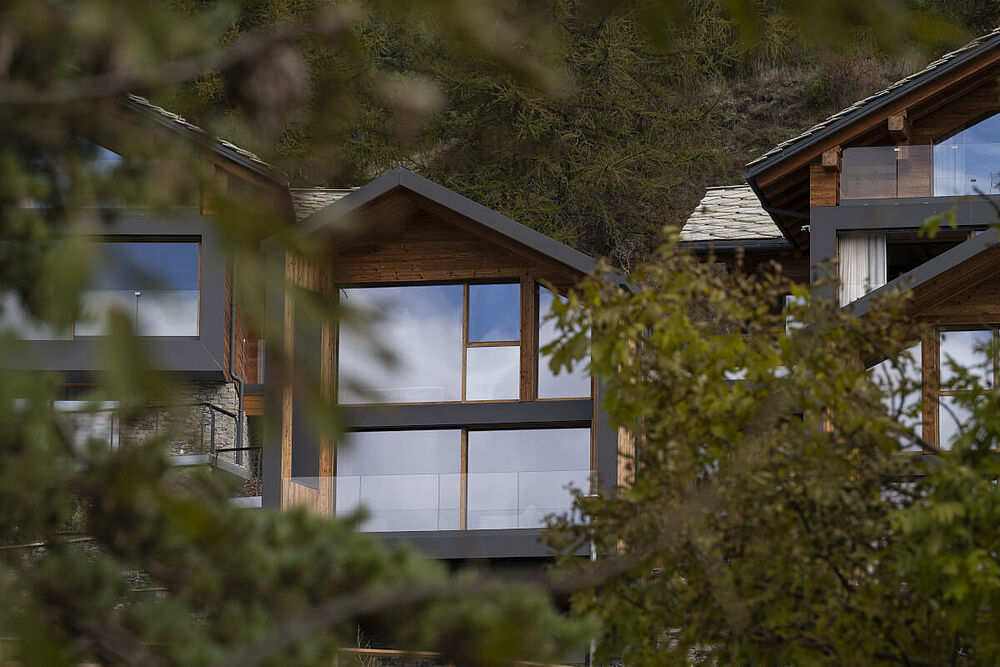
The materials also play a central role in the architectural expression. Timber façades, natural stone cladding, laminated wood beams, and glass parapets combine tradition and modernity in a distinctly contemporary Alpine aesthetic. ALLPLAN enabled the customized modeling of each material layer, from the thermally treated larch cladding to the high-performance envelope assemblies, ensuring technical accuracy.
A Fully Integrated BIM Workflow
ALLPLAN served as the central BIM platform throughout the project, allowing AB2ER to manage the entire micro-village as a coordinated digital model.
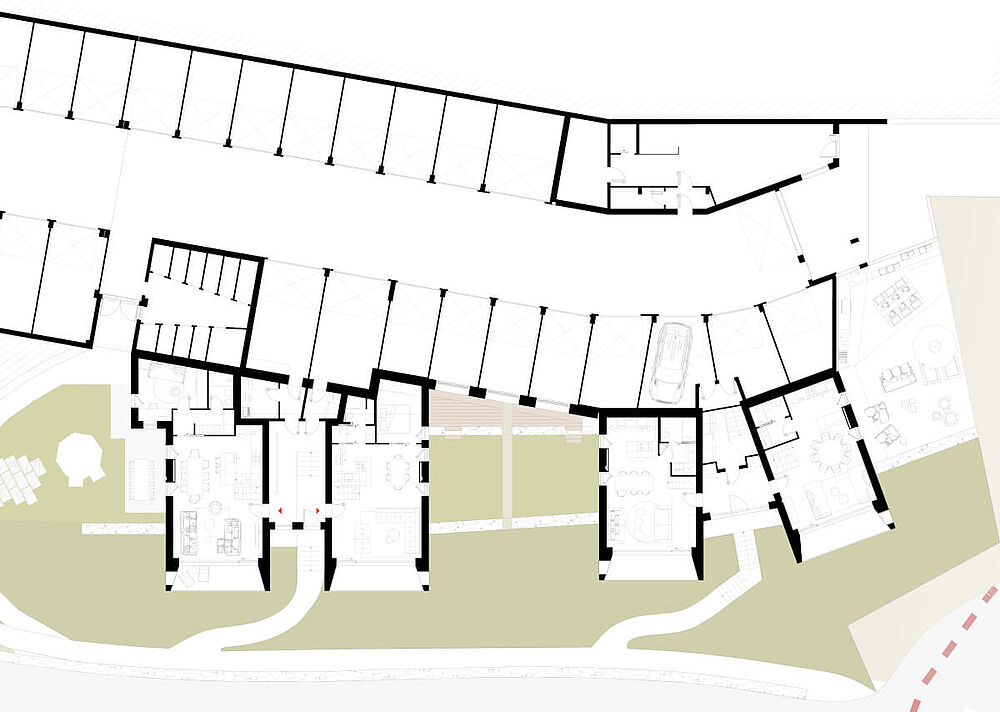
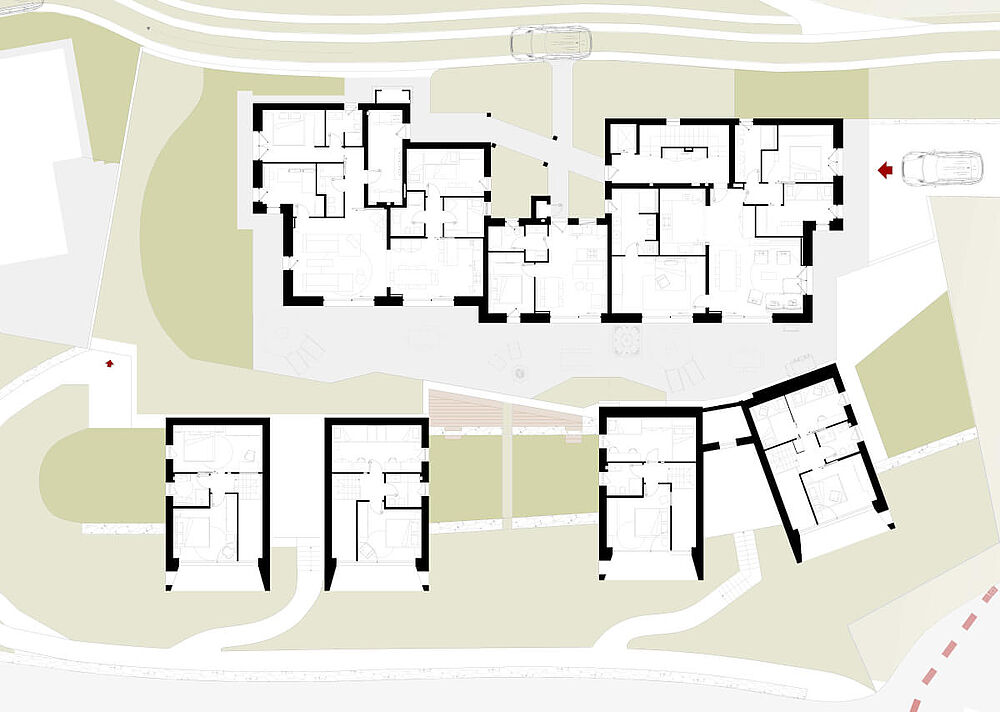
The volumetric organization of the complex – having multiple buildings arranged across varying levels – required precise control of sections, elevations, and level changes. Three-dimensional modeling ensured that structure, architecture, and earthworks remained fully aligned at every stage.
A particular challenge was the suspended chalet volumes overlooking the valley. These required careful coordination between structural elements in cross-laminated timber (XLAM), laminated beams, and façade systems. ALLPLAN’s ability to manage complex views and sectional analysis enabled the team to resolve these conditions early, reducing on-site uncertainty.
Advanced construction details were also modeled directly within the BIM environment. Elevator shafts integrated within the chalet structures, laminated timber beams, and glass parapets were coordinated digitally with engineers and site technicians. The BIM model became not only a design tool, but a communication platform. “ALLPLAN allowed us to develop a complex, multi-faceted project with a high level of control at every stage. In addition to guiding design choices, the BIM model proved to be an essential tool for communicating with site engineers, craftsmen, and clients,” explains Elena Rava, architect at AB2ER.
 Copyright: AB23ER Architetti
  Copyright: AB23ER Architetti
 Enhancing Livability Through Spatial Planning
Beyond individual buildings, the micro-village concept required thoughtful organization of shared spaces. Pedestrian pathways and common green areas were carefully arranged to encourage social interaction while maintaining privacy and views.
The three-dimensional BIM model supported holistic spatial planning from the earliest stages. Designers could assess sunlight exposure, visual connections, and circulation patterns while coordinating underground and above-ground structures simultaneously.
This integrated approach ensured that the development feels cohesive rather than fragmented – a small community shaped by terrain, light, and landscape.
Contemporary Alpine Architecture, Digitally Delivered
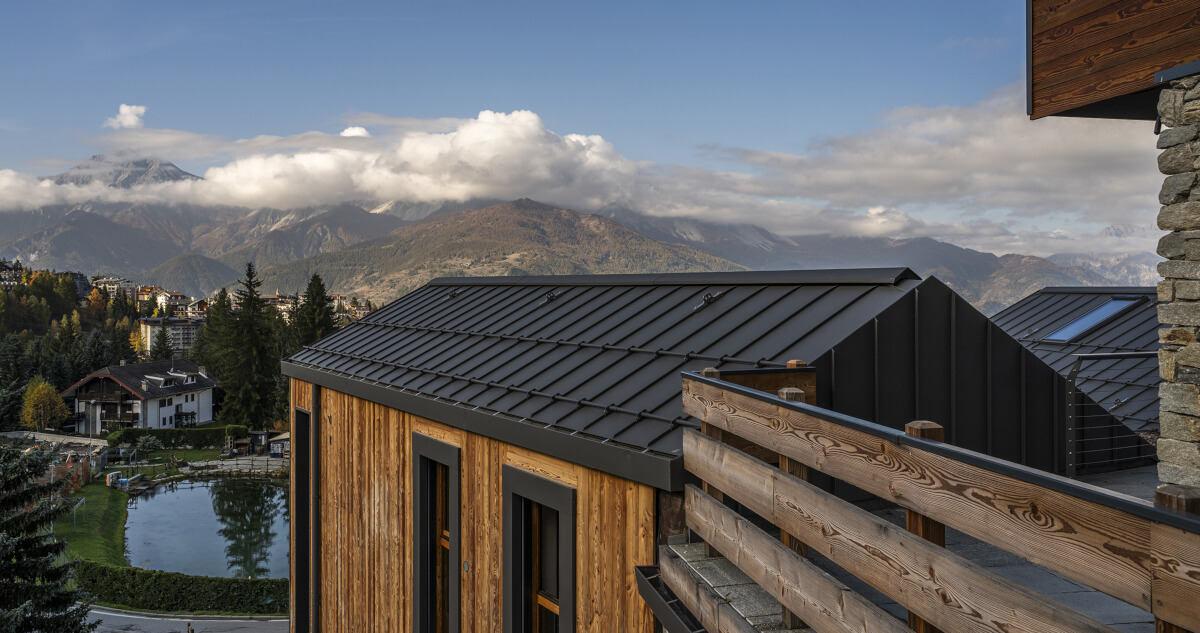
Baite Belle Vue represents a new interpretation of mountain living. Traditional materials and pitched roofs are a nod to the traditional Alpine aesthetic, yet clean lines, expansive glazing, and cantilevered elements express a contemporary architectural language.
What makes the project particularly compelling is how seamlessly this architectural ambition aligns with technical performance. The use of ALLPLAN enabled a fully coordinated design-to-build workflow, where sustainability targets, accessibility requirements, and structural complexity were addressed within a single digital environment.
By combining accurate terrain modeling, detailed material management, energy-optimized design, and advanced construction coordination, the project team achieved both precision and flexibility. In an environment as sensitive and visually dominant as the Alps, this level of control is not optional – it is essential.
 Copyright: AB23ER Architetti
  Copyright: AB23ER Architetti