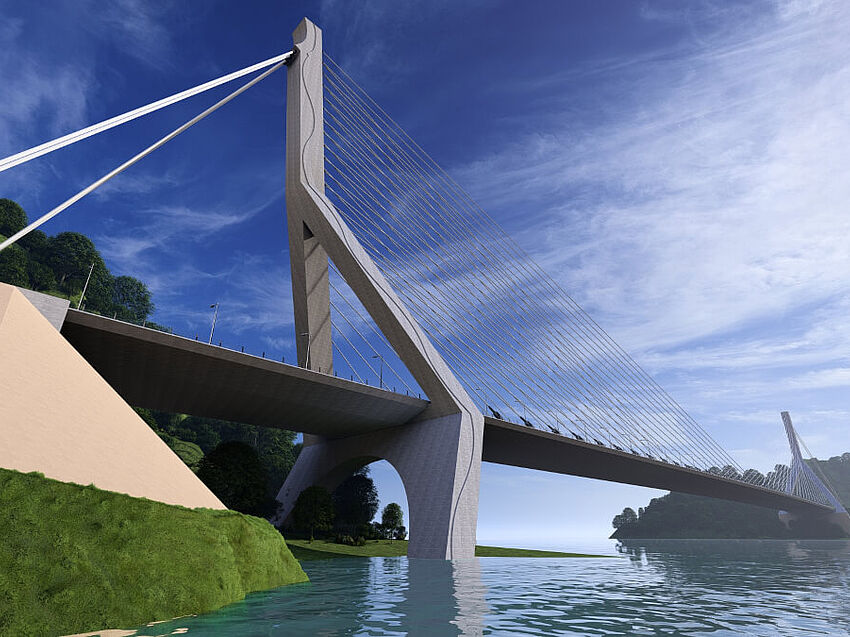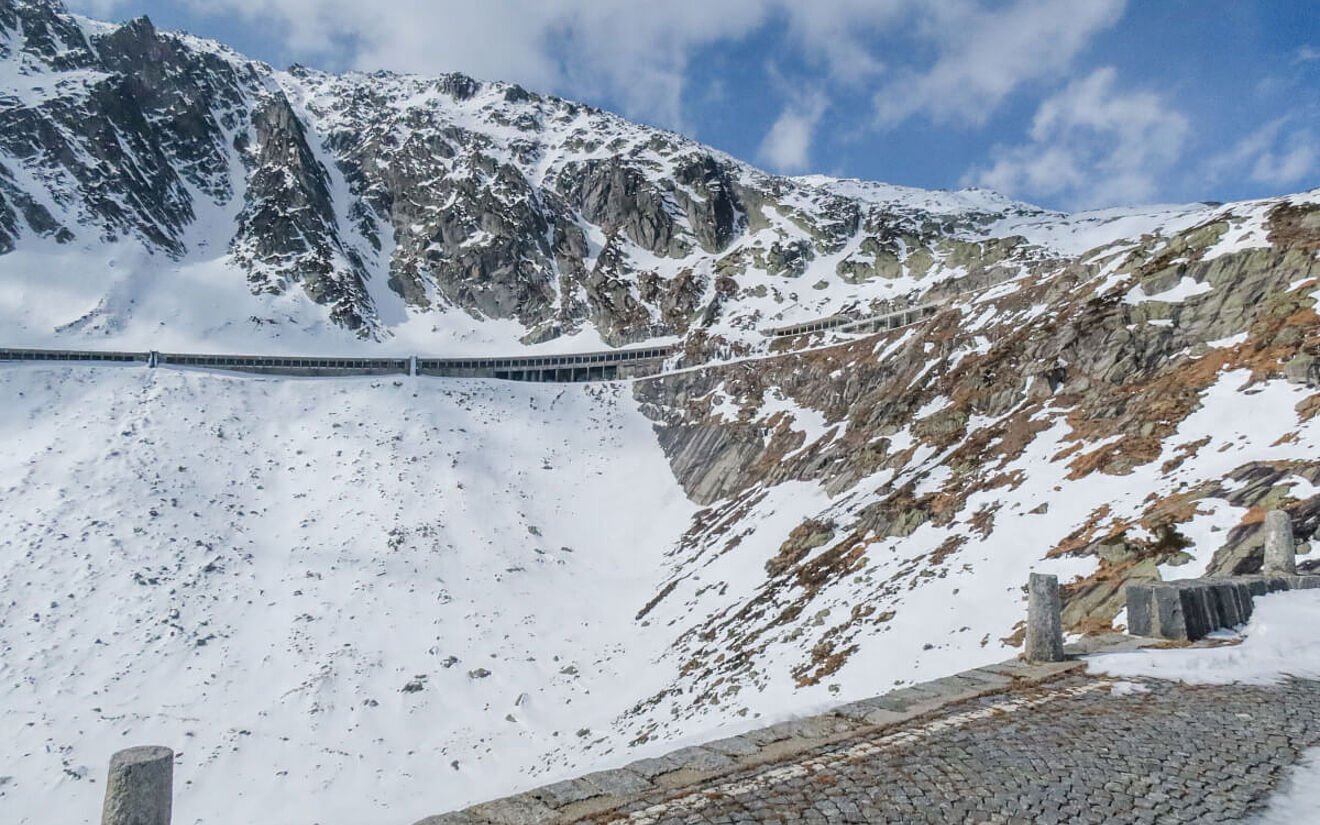
When the world looks to Milano–Cortina 2026, the focus will be on sporting excellence. For engineers, however, a different perspective opens up: major events act as a stress test for mobility systems, logistics, and resilience. They highlight what needs to function reliably in everyday life – and the importance of long-term infrastructure projects.
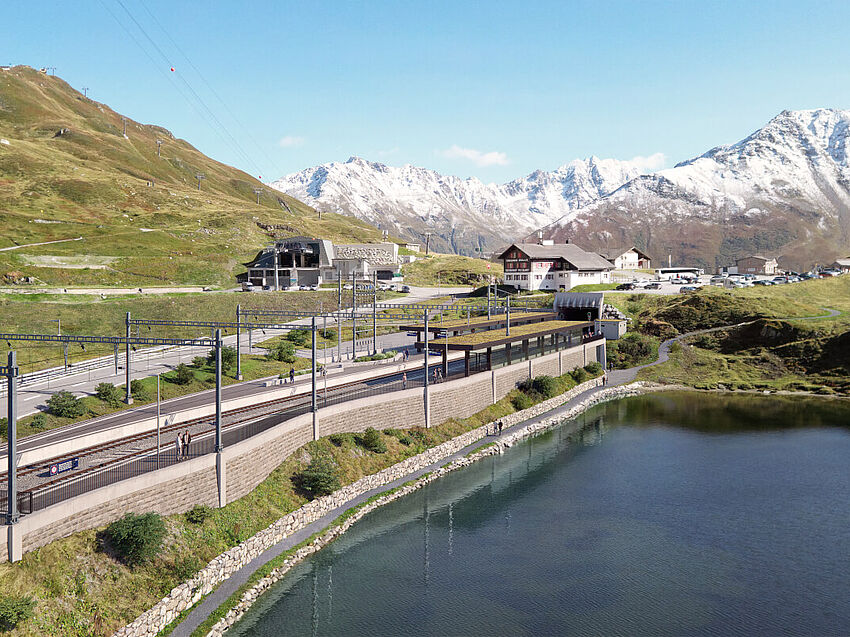
The Alps in particular are among the most sensitive and at the same time most important transport axes in Europe. This is where it is decided whether capacities are sufficient, whether traffic flows remain controllable and whether infrastructure functions stably even under peak loads. One project that exemplifies these requirements is the Gotthard Base Tunnel.
A project of superlatives – in figures that engineers understand
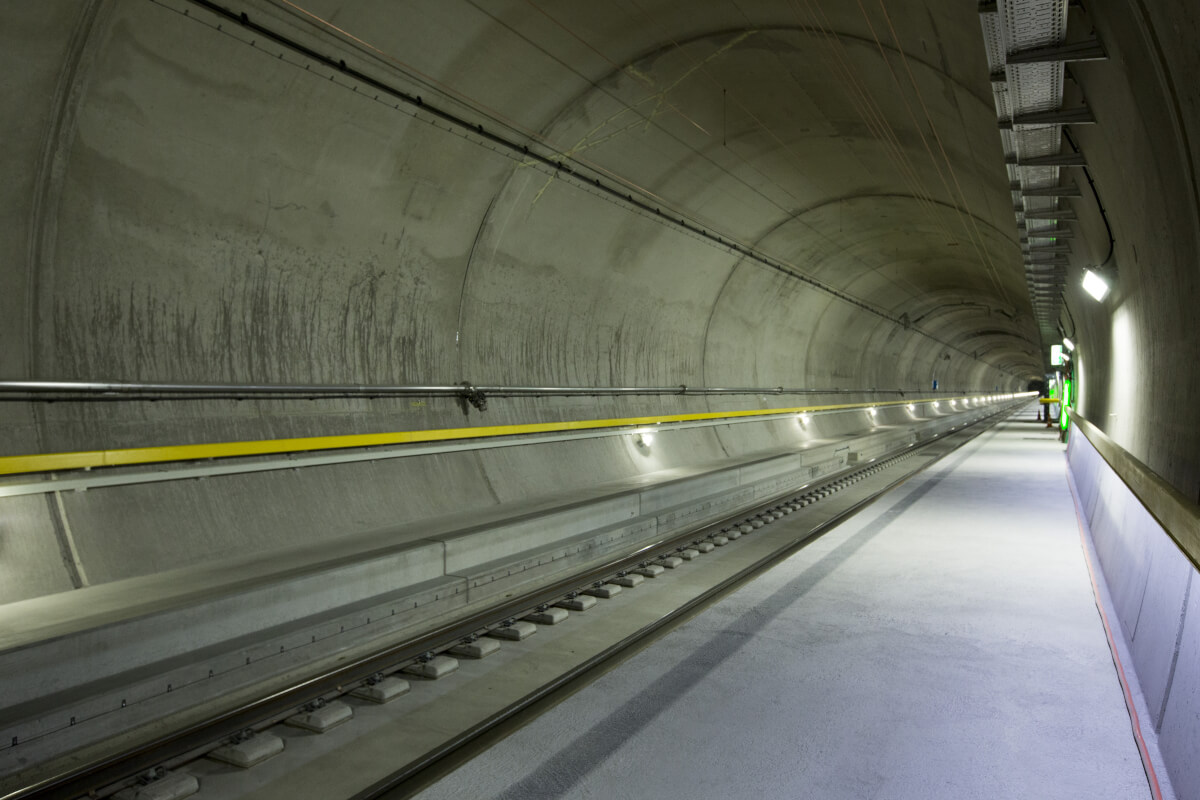
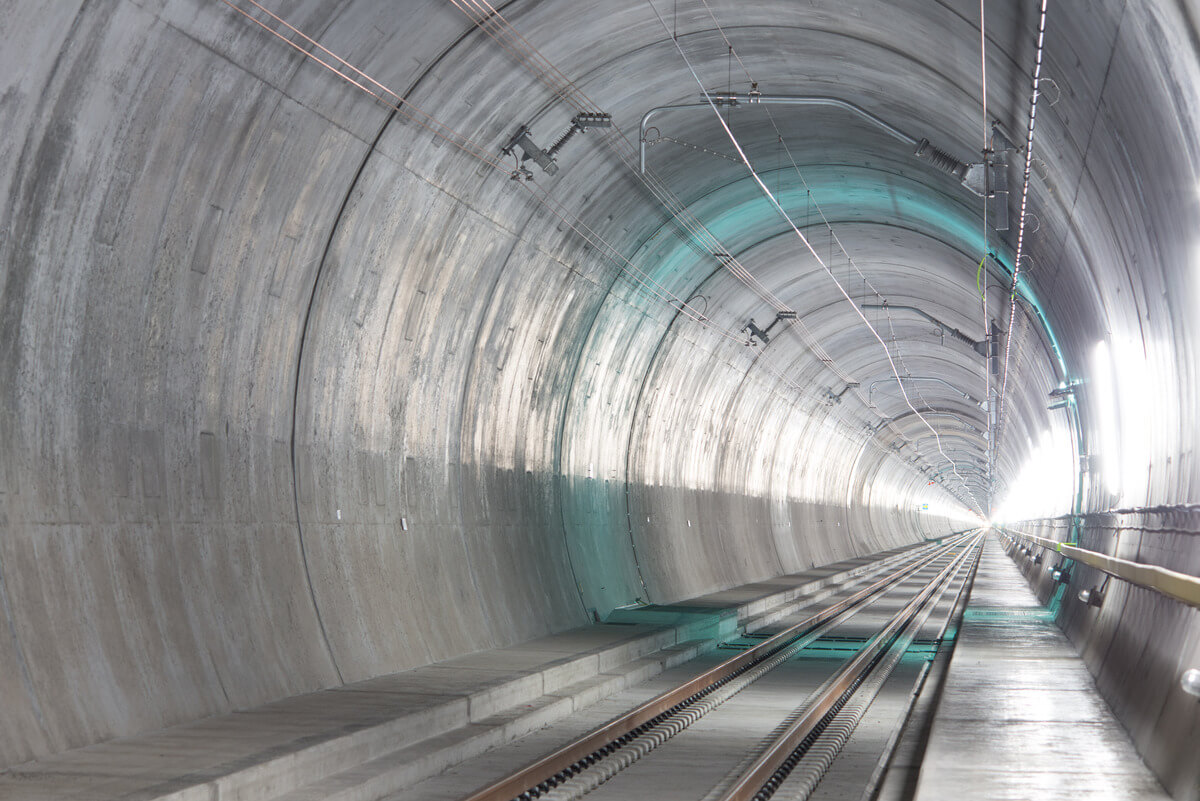
With a length of 57 kilometers and a cover of up to 2,300 meters, the Gotthard Base Tunnel is one of the most important tunnel construction projects worldwide. Around 28.2 million cubic meters of rock were excavated during its construction.
The safety and operating concept follows a clear system logic: two separate tunnel tubes for train traffic are supplemented by cross-connections at intervals of around 325 meters. This results in a tunnel system with a total length of approximately 152 kilometers. In addition, around 290 kilometers of track were installed.
Operation and impact: Capacity is not only created by length
Since it went into operation, the tunnel has enabled a more efficient north-south connection through the Alps. Higher speeds in passenger transport and additional capacity in freight transport are helping to shorten travel times and shift traffic flows more heavily to rail.
It is precisely this strategic function that shows why infrastructure must be thought of in terms of much more than individual structures: its impact only becomes apparent when planning, operational concepts, and network integration are combined.
The real engineering lesson: control beats spectacle
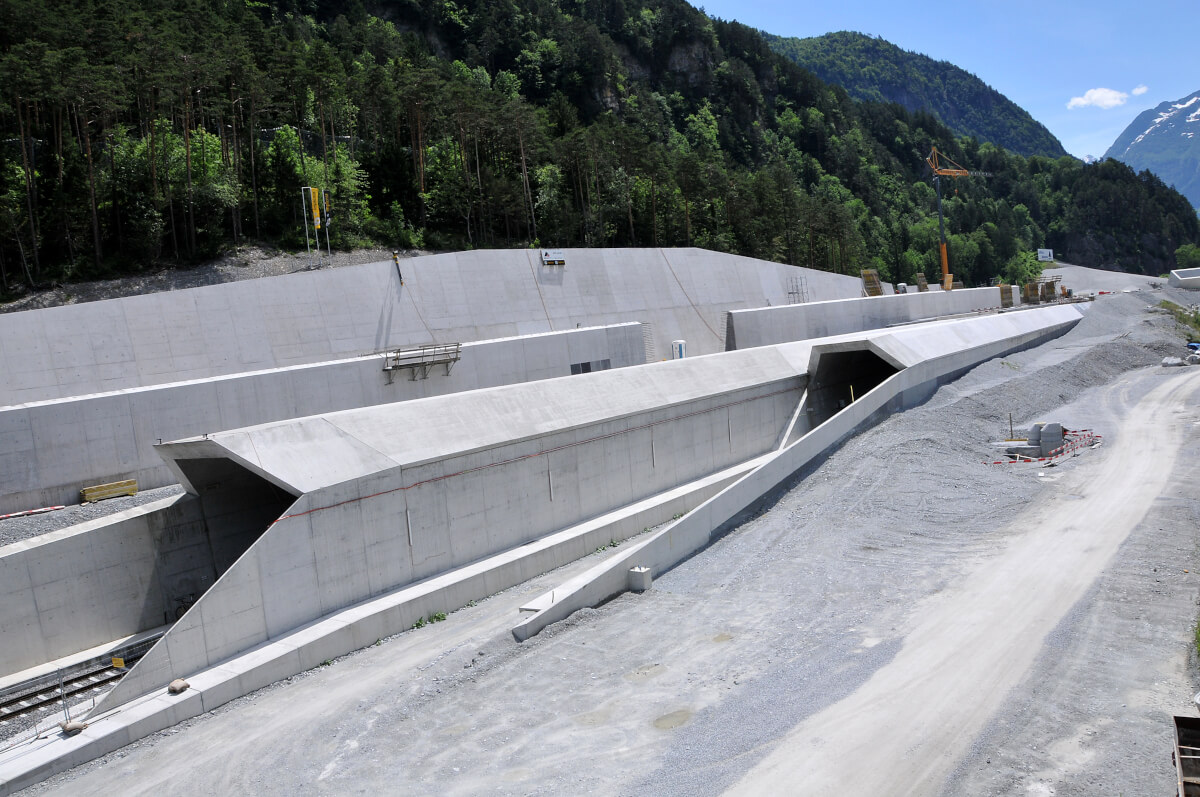
From an engineering perspective, the key achievement of such large-scale projects lies not only in their size, but also in their controllability. Transparent planning processes, clear governance structures, and continuous monitoring are now considered essential prerequisites for managing complexity.
In the case of the Gotthard Base Tunnel, great importance was attached to transparent decision-making processes and public oversight—factors that can make a significant contribution to identifying risks at an early stage and taking countermeasures.
This has led to a clear trend in the industry: as project size increases, so do the demands on information management, coordination, and planning quality.
What does this mean for planning practice?
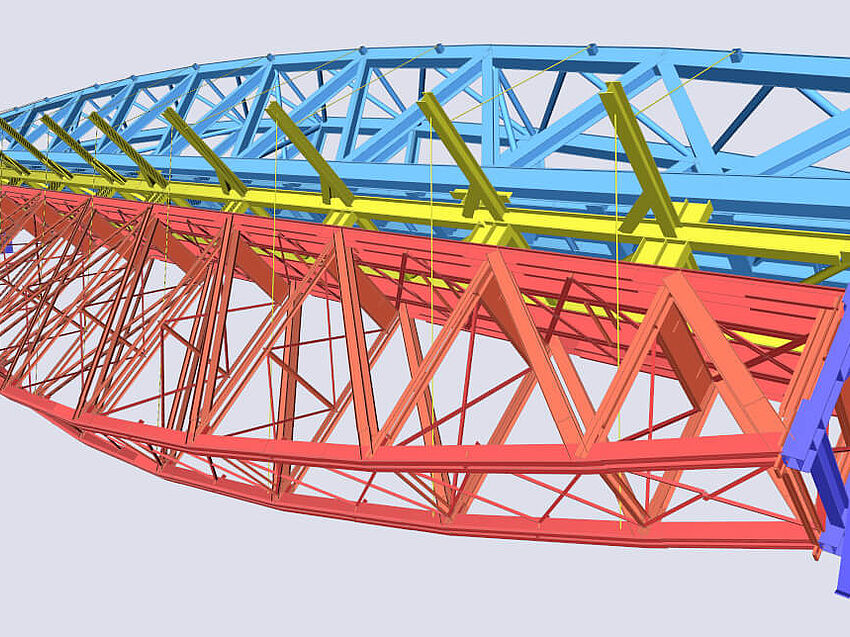
Large-scale projects of this kind illustrate how important consistent data, transparent planning statuses, and reliable decision-making bases have become. This is exactly where digital planning methods come in: They support project teams in coordinating information in a structured manner, documenting changes in a traceable way, and better evaluating complex interrelationships.
Software does not take over the engineering work—but it does form an essential basis for efficiently organizing planning processes in increasingly data-driven projects.
Because one thing is becoming increasingly clear: if infrastructure is to function under peak loads, its planning must be designed for stability.