AI Trends in AEC for 2026: From Predictive Design to Autonomous Construction
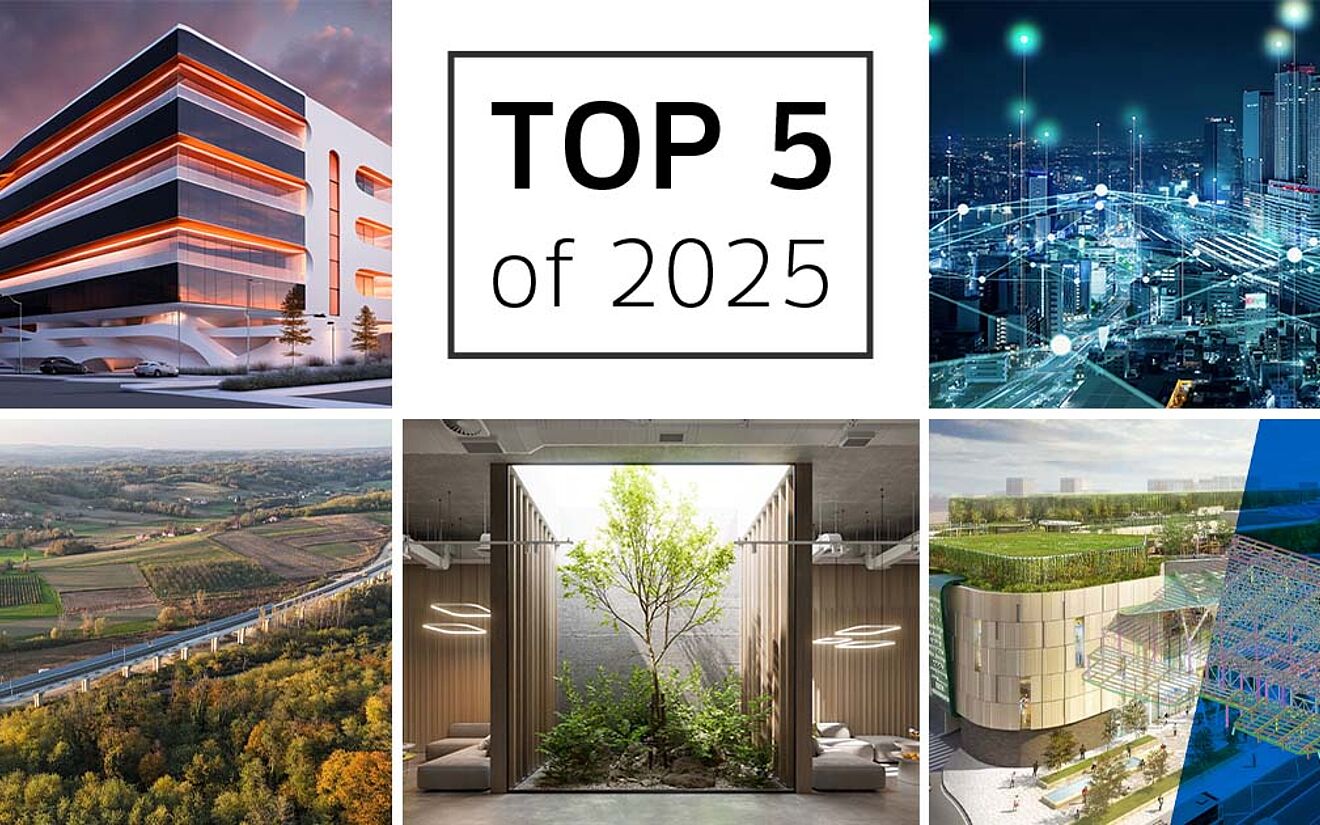
Each year, the ALLPLAN Blog reflects the topics shaping the architecture, engineering, and construction industry — from new technologies and regulatory updates to standout international projects. In 2025, readers gravitated toward articles that offered clarity amid rapid change: advances in AI, the accelerating digitalization of infrastructure, major shifts in standards, and the growing urgency of sustainability.
Our five most-read posts capture this landscape from different angles. Together, they highlight where the industry is heading and the ideas professionals are most eager to explore. Whether you’re catching up or revisiting the year’s essential reads, here are the articles that resonated most with the ALLPLAN community in 2025.
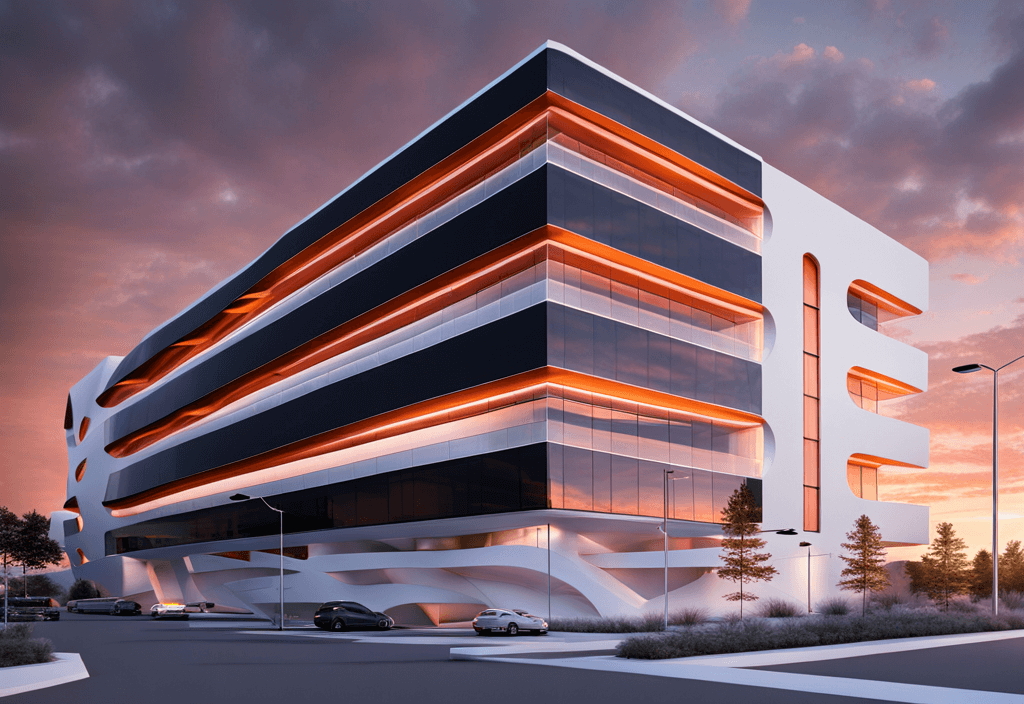
1st Place: AI Visualizer in ALLPLAN: Use cases and examples for prompts
The most-read article of 2025 explored one of ALLPLAN 2025’s most talked-about innovations – the AI Visualizer. This integrated tool has quickly become a favorite among architects thanks to its ability to turn rough sketches, photos, or simple cubature models into compelling design studies within seconds. The blog takes readers inside the technology, explaining how the tool builds images using Stable Diffusion and why prompts play such a decisive role in guiding results.
This article shows how the AI Visualizer supports the earliest design stages. From trying out alternative façade concepts to rapidly testing materials, atmospheres, or seasonal lighting conditions, the tool helps teams iterate far more quickly than before. The article also breaks down the essential elements of an effective prompt, and shows how these choices influence creativity and precision.
For anyone who wants a clear, practical introduction to leveraging AI for early-stage design, this post remains an essential read. It demonstrates how AI can accelerate ideation while keeping designers firmly in control of the process.
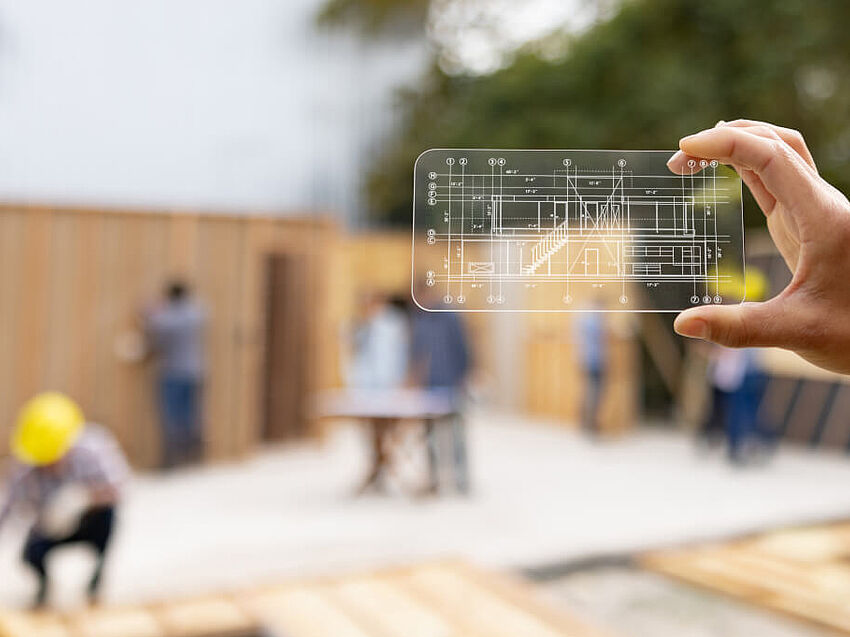
2nd Place: Key Trends Reshaping the AEC Industry in 2025
This wide-ranging article resonated strongly with readers this year because it captures a pivotal moment for the AEC industry. Across sustainability, prefabrication, digital twins, and AI-driven automation, 2025 marked a clear shift toward more connected, data-driven, and industrialized ways of working.
Rather than focusing on individual technologies, the blog highlights the broader transformation underway — one where cloud-powered workflows, immersive design tools, and modular construction are reshaping how projects are designed, delivered, and maintained. It’s an accessible snapshot of the forces driving change, offering a timely overview of where the industry is heading next.
If you want a concise but impactful look at the trends defining 2025 and how they’re influencing the future of design and construction, this article is well worth revisiting.

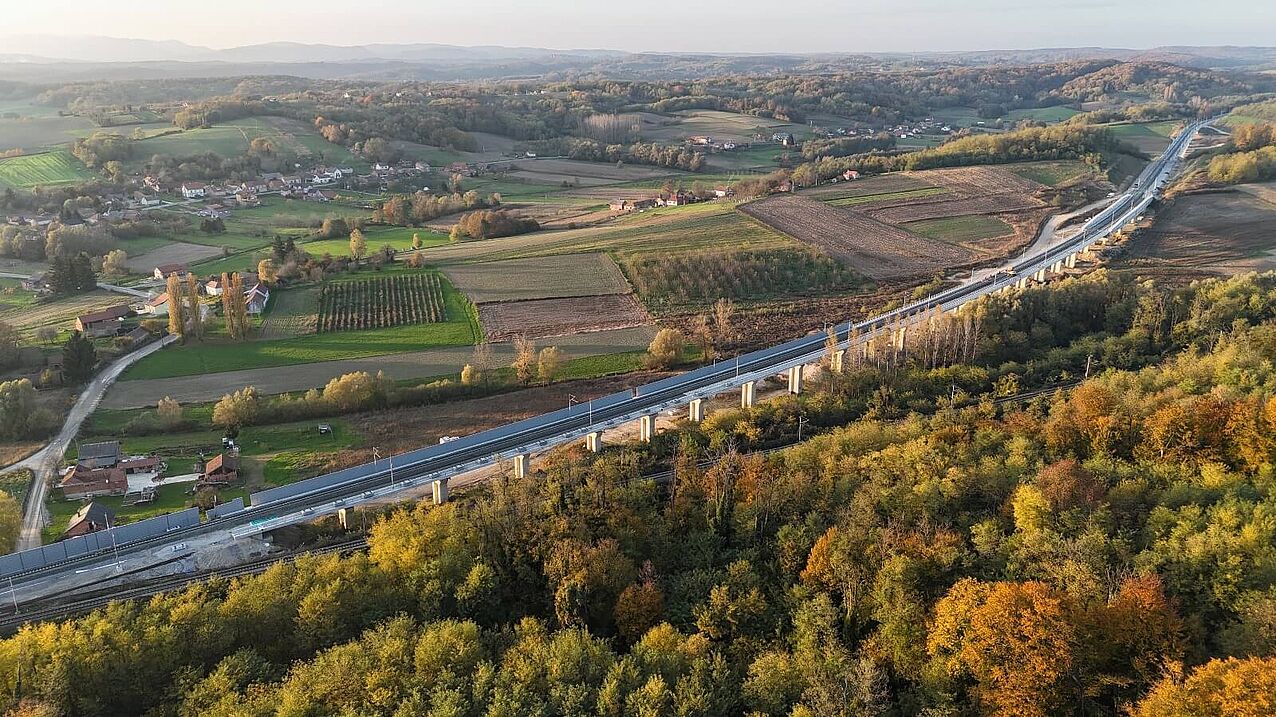
3rd Place: Bridging Borders: Overcoming Complex Railway Challenges in Croatia
This article captured readers’ attention by taking them inside one of Croatia’s most ambitious railway modernization schemes. The project spans 42 kilometers of new and upgraded track, two major viaducts, multiple cut-and-cover tunnels, and a steel truss bridge launched over the Drava River — all delivered while maintaining tight tolerances and a demanding schedule.
What makes this story so enjoyable is the scale and intricacy of the engineering challenges involved, from prestressed structural elements to complex alignments and construction sequencing. Digital modeling played a supporting role in helping teams coordinate disciplines, refine designs, and respond to on-site conditions. However, the project itself is a showcase of modern infrastructure delivery.
For anyone interested in how large transportation projects come together in practice, this blog offers a detailed, real-world look at the problem-solving behind a nationally significant rail route.
4th Place: Second Generation of Eurocodes is Approaching
This update-focused article proved popular because it distils a complex regulatory shift into a clear, accessible overview. The second generation of Eurocodes represents one of the most significant changes to European structural design standards in years, with new rules aimed at improving harmonization, usability, and practical application across disciplines.
The blog outlines the major themes driving the revision — from streamlined content and reduced Nationally Determined Parameters to expanded provisions for existing structures, structural glass, and higher-strength materials. Rather than diving into every technical detail, it gives readers a useful snapshot of what is changing and why it matters, particularly for teams preparing for the transition as the new standards are finalized.
For engineers who want a concise, well-structured introduction to the upcoming Eurocode updates, this piece offers a helpful starting point before exploring the full documentation.
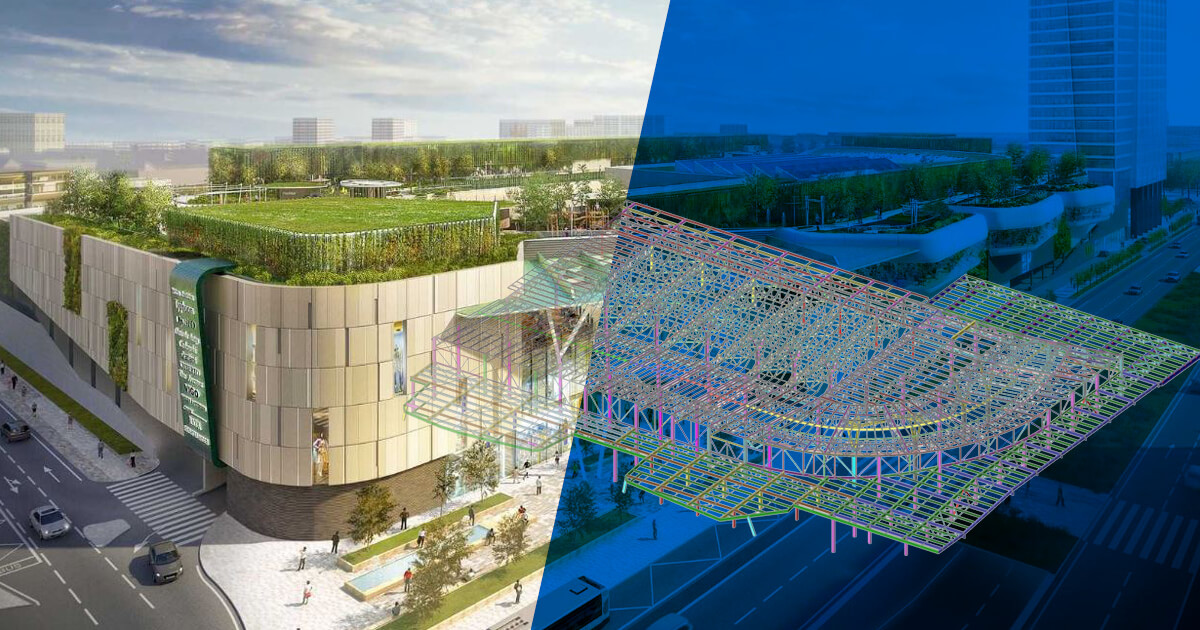
5th Place: Sustainability Trends and Perspectives 2025
Readers enjoyed this article for its clear overview of how sustainability priorities are evolving across the AEC industry. It frames sustainability as a practical, multidimensional challenge shaped by materials, energy performance, circular construction, and rapidly advancing digital tools.
The blog explores the major forces driving change — from low-carbon materials and passive design strategies to the expanding influence of BIM, digital twins, and real-time monitoring systems. It also highlights the growing emphasis on lifecycle thinking and collaboration, both of which are becoming essential as regulatory and client expectations rise.
For readers looking to understand the key sustainability themes shaping 2025, this post offers a grounded, accessible snapshot of where the industry is heading and what project teams should be preparing for.

Conclusion
The themes behind this year’s most-read articles highlight a sector moving quickly, with new tools, standards, and expectations shaping daily practice. With new developments already on the horizon, we’re excited to continue providing the expertise and resources that help AEC professionals stay informed, prepared, and inspired.