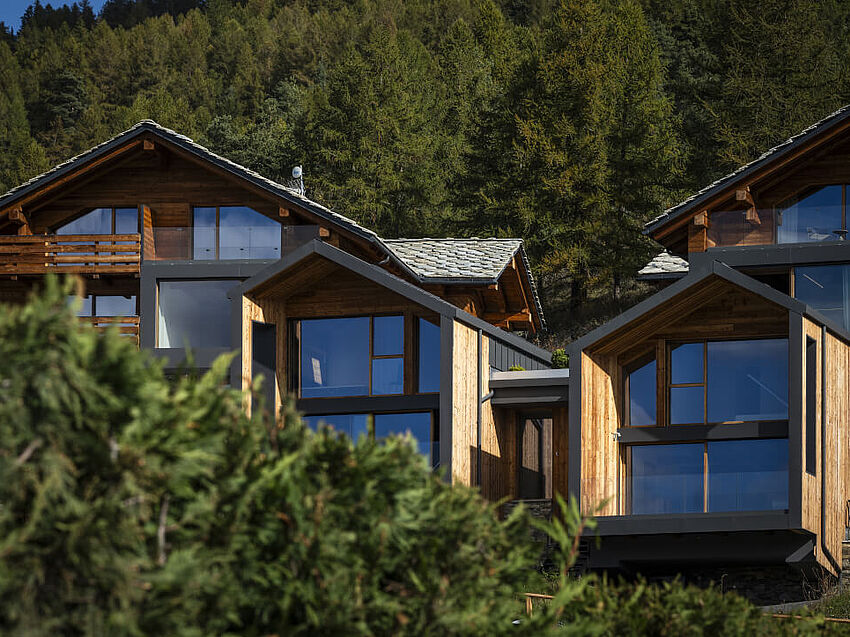
Reimagining Sustainable Alpine Living at the Baite Belle Vue Micro-village
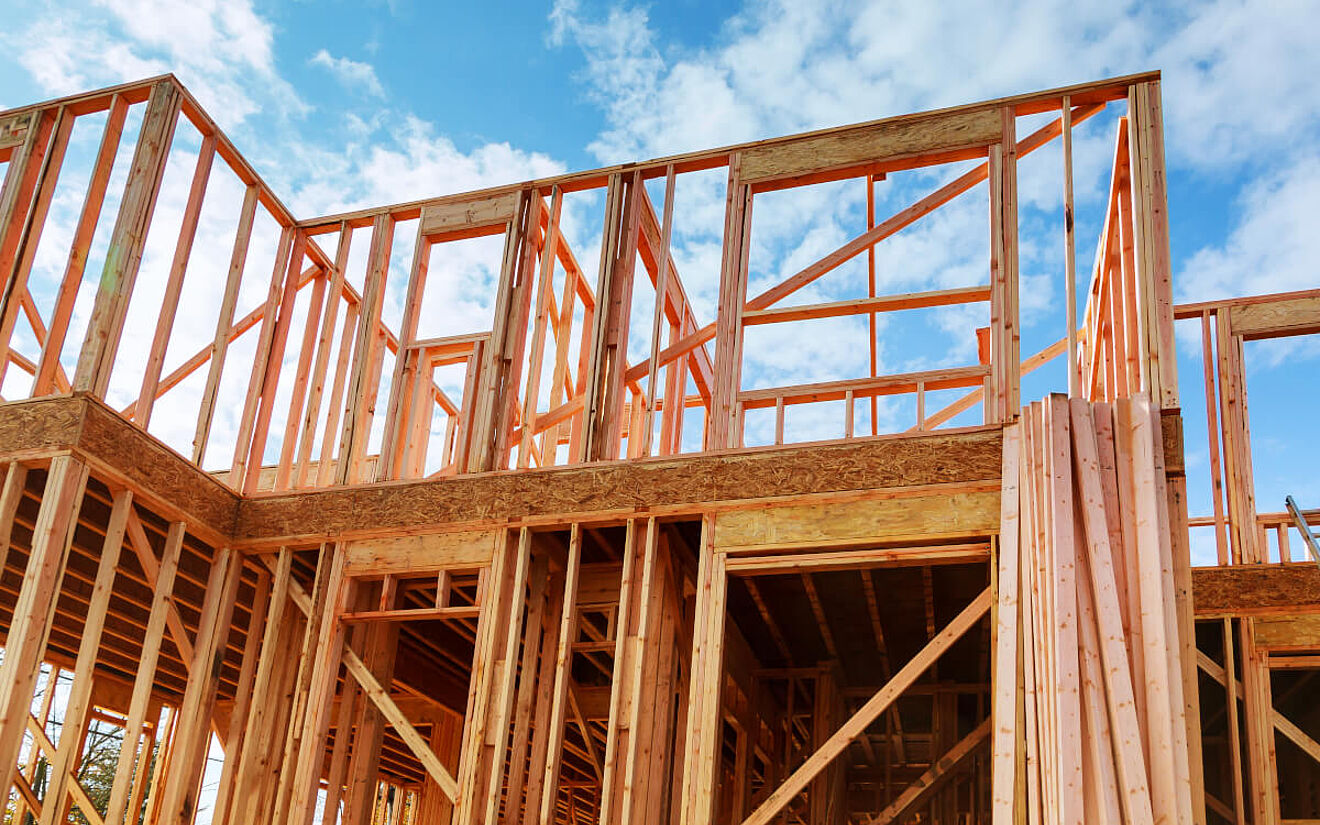
In time when innovation and sustainable construction are imperatives, timber is experiencing a remarkable renaissance. Once considered a traditional material, timber has evolved into a modern powerhouse, combining aesthetics, strength, and environmental benefits. Architects and engineers across the globe are embracing timber for its versatility, renewability, and capacity to create striking structures that leave a lasting impression.
From record-breaking skyscrapers to cultural landmarks, timber is pushing boundaries and proving its potential to rival steel and concrete in ambitious, large-scale projects. In this blog, we’ll explore seven iconic timber buildings that have redefined modern architecture. These timber structures not only showcase the ingenuity of timber construction but also inspire a new wave of sustainable design practices.
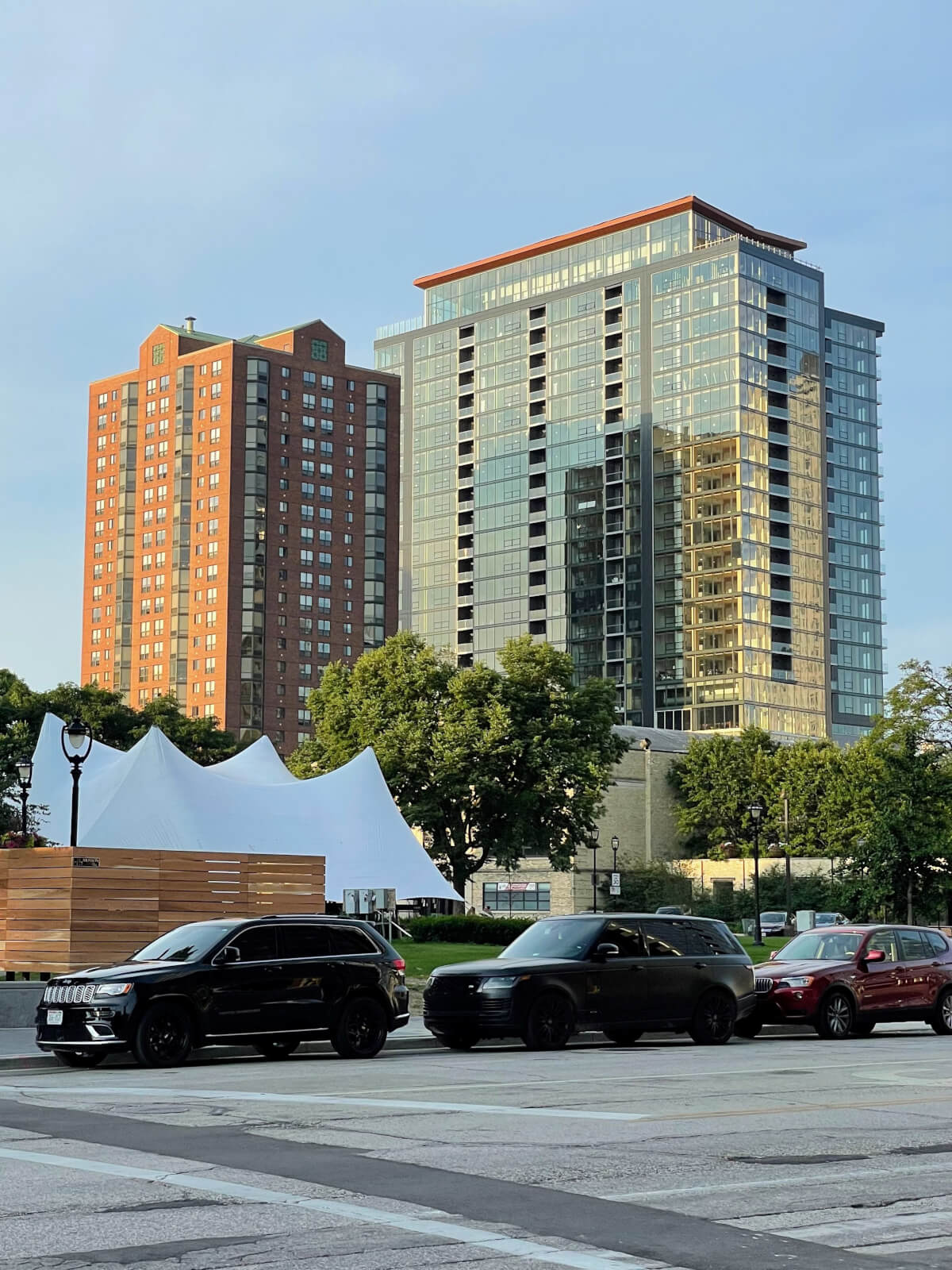
1. Ascent MKE, USA (2022)
Ascent MKE, completed in 2022 in Milwaukee, Wisconsin, stands at 284 feet (87 meters) and is the world’s tallest mass timber hybrid structure, surpassing Norway’s Mjøstårnet.
The 25-story building features 259 luxury apartments, retail space, an elevated pool with operable window walls, and a sky-deck. Its construction utilized 19 stories of mass timber atop a six-level concrete podium, demonstrating the potential of sustainable materials in high-rise developments.
Ascent received support from the U.S. Department of Agriculture’s Wood Innovations Grant program, facilitating essential testing to validate mass timber’s performance in meeting U.S. building codes. This pioneering project has set a precedent for future mass timber constructions, highlighting the material’s viability in large-scale urban architecture.
2. Mjøstårnet, Norway (2019)
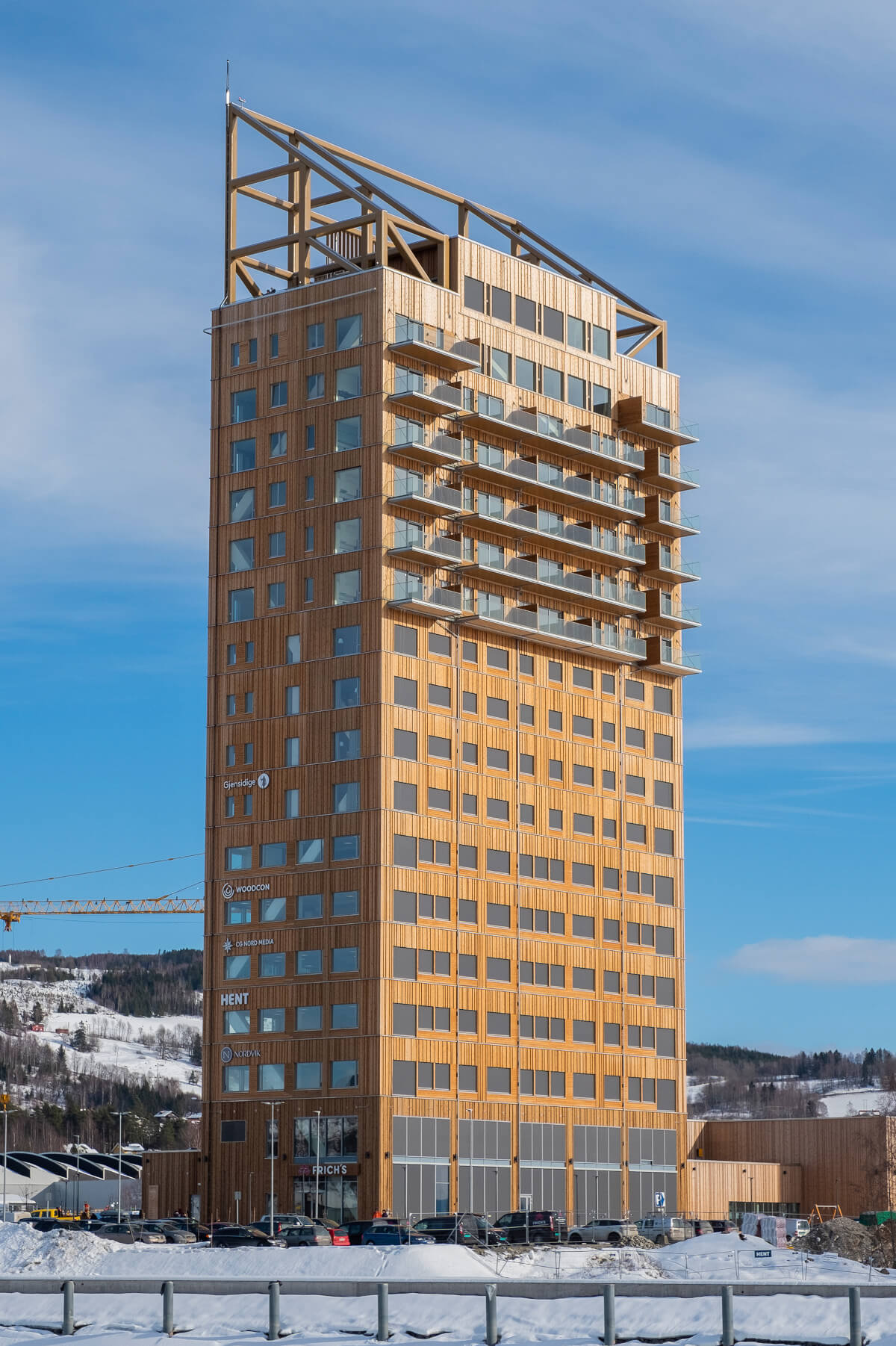
Standing 85.4 meters tall, Mjøstårnet is the world’s second tallest timber building, with a mix of apartments, offices, and a hotel. Built with locally sourced Norwegian spruce, its structure relies on glulam and cross-laminated timber (CLT) for strength and stability. Innovative engineering, including diagonal bracing and precision connections, ensures resistance to wind and seismic forces.
Timber’s carbon-storing properties and a renewable supply chain make Mjøstårnet a model for sustainable construction. Its success has inspired a new wave of timber skyscrapers, proving wood can compete with steel and concrete in scale, durability, and environmental performance.
3. Sara Kulturhus, Sweden (2021)
At 75 meters tall, Sara Kulturhus is another tall timber building, blending sustainable construction with cultural purpose. Located in Skellefteå, Sweden, this striking structure houses a theater, library, hotel, and cultural center, all within a framework of cross-laminated timber (CLT) and glulam. The materials, sourced locally from Swedish forests, underscore the project’s commitment to sustainability and reduced environmental impact.
The building’s design leverages timber’s strength-to-weight ratio to achieve stability while maintaining a light environmental footprint. Prefabrication played a key role, accelerating construction and ensuring precision.
4. International House, Australia (2017)
Located in the Barangaroo precinct of Sydney, this six-story commercial office building was constructed using cross-laminated timber (CLT) and glulam, making it one of the first modern timber office buildings in Australia.
The structure’s design highlights timber’s aesthetic warmth and environmental benefits. Prefabricated timber elements reduced construction time and waste, while the renewable nature of wood significantly lowered the building’s carbon footprint compared to traditional materials.
International House demonstrates timber’s viability for large-scale urban projects, proving it can deliver both functional and visually stunning spaces. Its success has paved the way for future timber developments in commercial architecture, setting a benchmark for sustainability and innovation.
5. The Macallan Distillery, Scotland (2018)
The Macallan Distillery is a masterclass in timber construction, featuring one of the most complex timber roof structures in the world. Designed by Rogers Stirk Harbour + Partners, the building’s undulating roof is made from 1,800 unique glulam beams and 2,500 roof elements, precisely prefabricated and assembled on-site.
This state-of-the-art distillery integrates seamlessly into the rolling Speyside landscape, with its green roof enhancing insulation and blending with the environment. Timber was chosen for its aesthetic appeal and ability to achieve the intricate geometric design, while also reducing the project’s carbon footprint.
6. Brock Commons Tallwood House, Canada (2017)
Brock Commons Tallwood House at the University of British Columbia is a landmark in timber construction. Rising 18 stories, this hybrid mass timber building was one of the tallest of its kind at the time of completion. The structure combines cross-laminated timber (CLT) panels, glulam columns, and a concrete core for added stability.
Prefabrication played a crucial role, enabling the mass timber structure to be assembled in just 70 days – a fraction of the time required for traditional high-rise construction. This efficiency reduced costs and environmental impact while highlighting timber’s potential for rapid, large-scale projects.
Used for student accommodation, the building demonstrates timber’s strength, fire resistance, and sustainability, making it a model for the future of high-density, eco-friendly urban housing.
7. Treet (The Tree), Norway (2015)
Treet, meaning “The Tree” in Norwegian, was an early pioneer in tall timber construction, standing 14 stories (49 meters) high in the city of Bergen. This residential building was constructed using a modular approach, with prefabricated glulam and cross-laminated timber (CLT) elements assembled on-site.
The building’s design includes a central concrete core and steel braces for added stability, showcasing how hybrid systems can enhance the performance of timber in tall structures. By incorporating prefabrication, the project minimized waste and construction time, further underscoring timber’s efficiency.
Treet set the stage for subsequent tall timber projects, proving that engineered wood could meet the challenges of height, strength, and durability while providing a sustainable and visually striking alternative to traditional materials.
Timber: Building a Sustainable Future
These remarkable projects highlight the transformative power of timber in modern architecture. From towering skyscrapers to innovative cultural hubs, timber proves its versatility, strength, and sustainability time and again. As the world shifts toward greener construction methods, these buildings stand as bold examples of how engineered wood can redefine our skylines while protecting the planet.