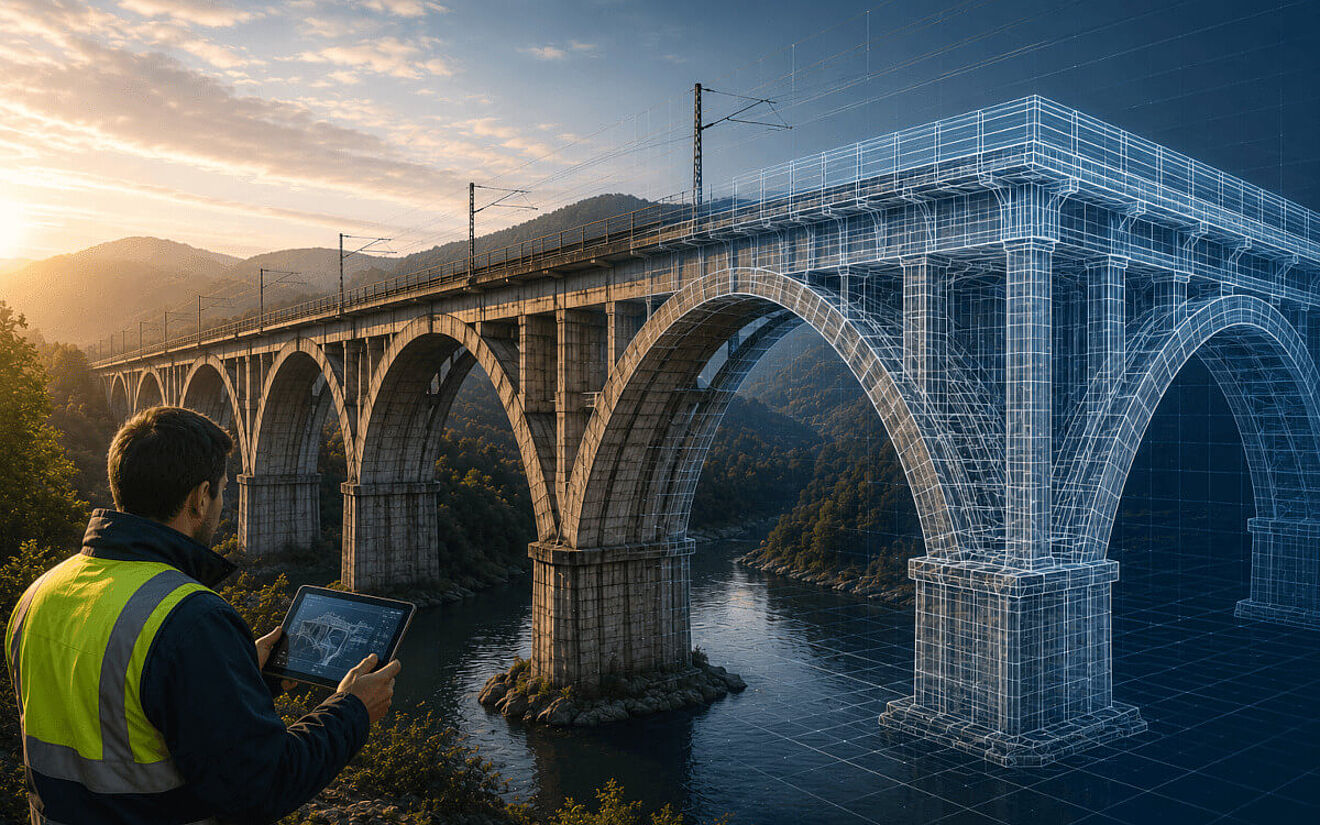
Aging bridges, railways, and transportation assets are placing growing pressure on infrastructure owners, particularly when refurbishments are required. Unlike new construction, renovation projects begin with a challenge: understanding what already exists. Engineers must work with incomplete records, evolving standards, hidden utilities, operational constraints, and structures that may have changed significantly over their service lives. This is where digital twins are making a difference.
In summary: > Four real-world projects show how digital twins help infrastructure teams combine existing asset data, survey information, terrain models, and design requirements to improve planning and decision-making. > In Miesbach, engineers created a digital model of the existing Schopfgraben Bridge, utilities, and terrain to develop and coordinate a flood-resilient replacement. > For the Matterhorn-Gotthard Railway, a parametric model helped coordinate the modernization of Switzerland’s highest railway station. > During the reactivation of Berlin’s Siemens Railway, an information-rich BIM model enabled teams to manage asset data and coordinate the modernization of historic rail infrastructure. > In the Ahr Valley, a bridge model supported the reconstruction of flood-damaged infrastructure by integrating design, analysis, construction stages, and reinforcement planning within a single workflow. |
By combining existing documentation, survey information, terrain data, utility records, and parametric BIM models, engineers can create a digital representation of an asset before construction begins. This digital twin provides a clearer understanding of existing conditions, supports better decision-making, and helps project teams evaluate options before work starts on site.
These four recent projects demonstrate how these approaches are helping engineers tackle complex renovation and replacement projects with greater confidence and efficiency.
Schopfgraben Bridge, Miesbach: Understanding the Existing Asset Before Rebuilding
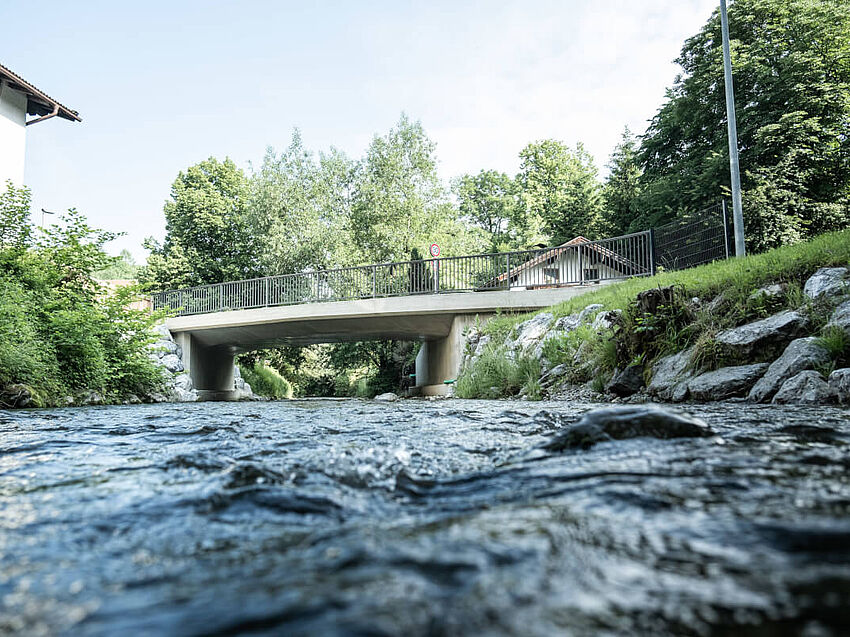
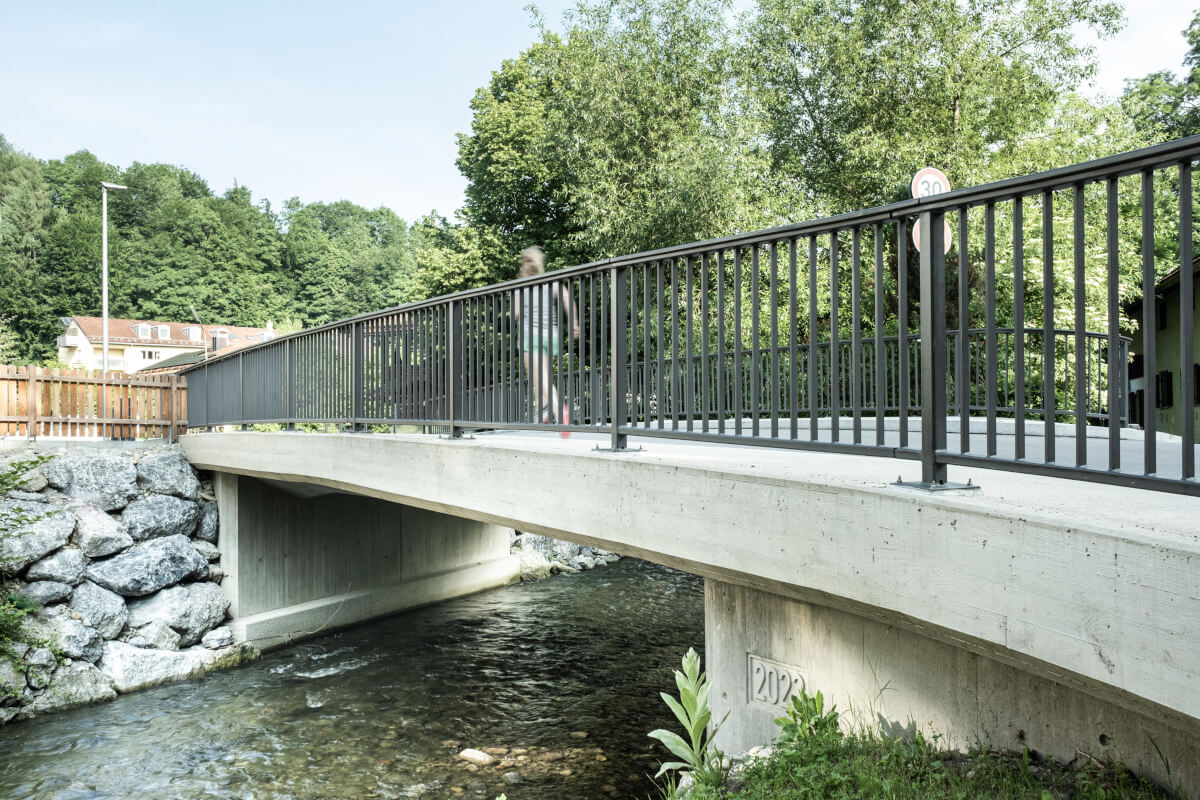
When the City of Miesbach decided to replace the aging Schopfgraben Bridge in Upper Bavaria, the challenge extended far beyond simply designing a new structure. The existing bridge, originally built in the 1960s, had developed structural defects and no longer met modern flood protection requirements. At the same time, the project team had to accommodate complex utility networks, maintain pedestrian access during construction, and adapt the surrounding road infrastructure.
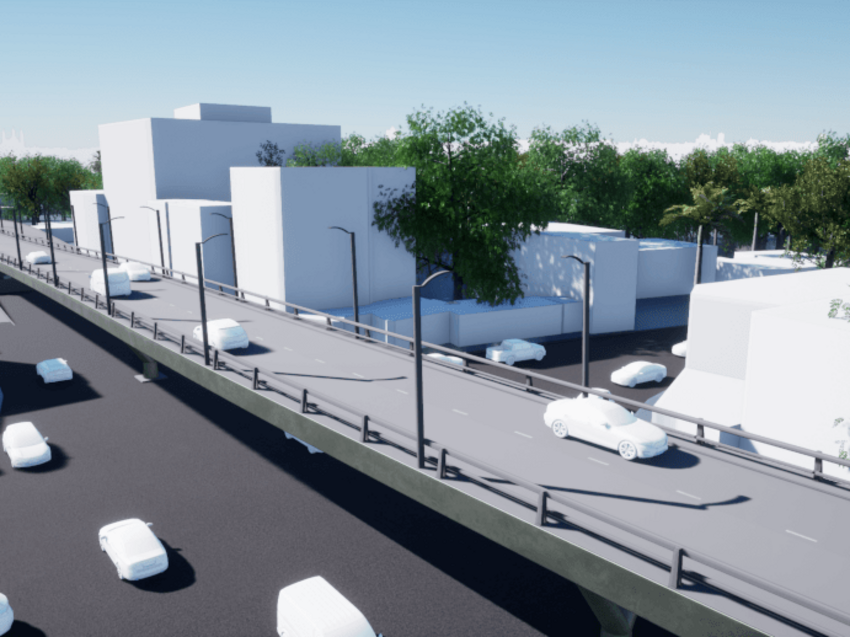
To support planning, engineers first created a digital model of the existing bridge using historic construction documents. Utility routes were surveyed on site and incorporated into the model, while publicly available geodata was used to recreate the surrounding terrain. This created a comprehensive digital representation of the existing conditions before any design work began.
The same model then became the foundation for developing the replacement bridge. Engineers evaluated different concepts, optimized the hydraulic flow cross-section, and modeled excavation stages, traffic routing, utility diversions, and flood scenarios. Because the bridge geometry was particularly complex, both formwork and reinforcement were developed in 3D, providing a detailed basis for the final design.
By bringing together existing conditions, future requirements, and construction planning in a single coordinated model, the project team was able to identify challenges early and improve coordination across all stakeholders. The result was a durable, flood-resilient replacement bridge designed to serve the community for decades to come.
Matterhorn-Gotthard Railway: Modernizing Infrastructure in the High Alps
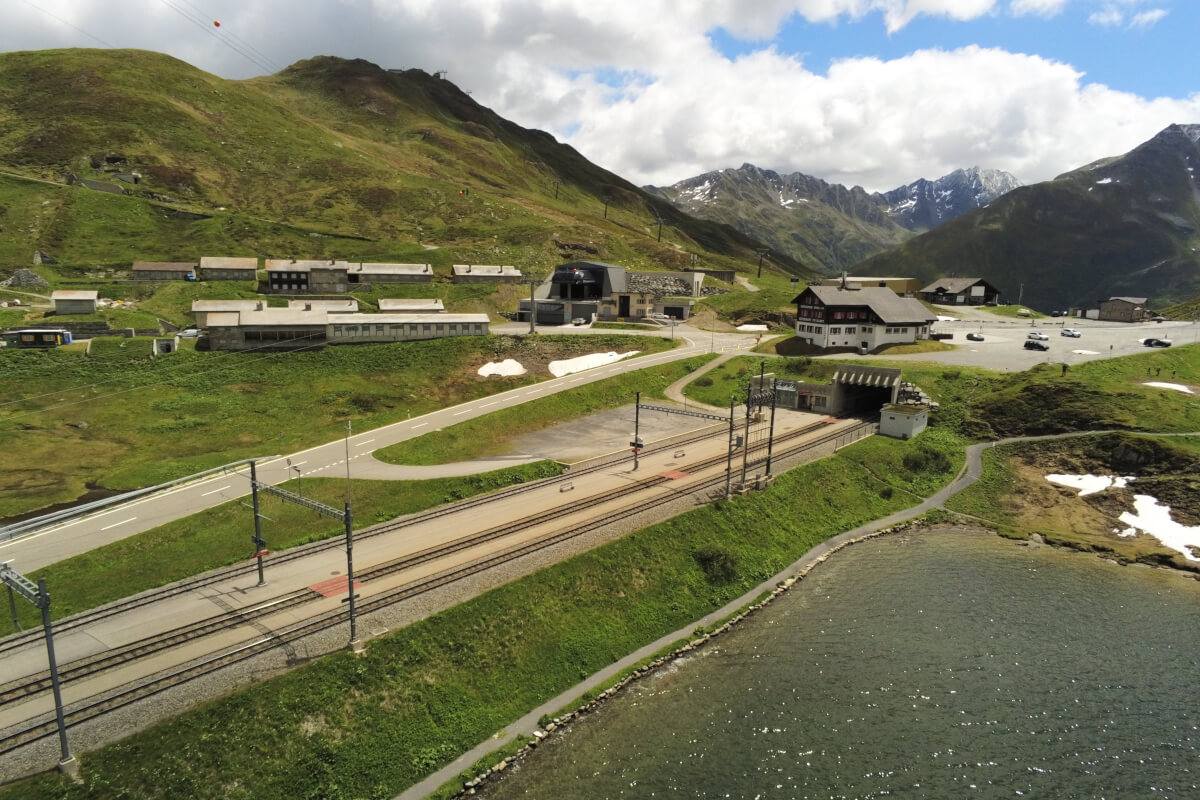
Renovating infrastructure is rarely straightforward. Renovating an operational railway station at an altitude of more than 2,000 meters, while balancing accessibility requirements, environmental constraints, and extreme weather conditions, adds another level of complexity entirely.
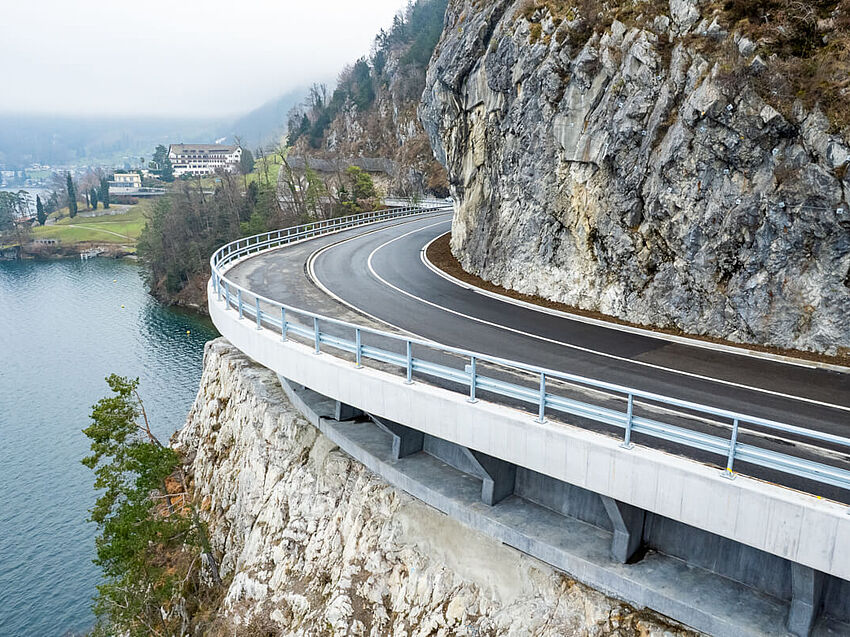
This is the challenge facing the Matterhorn-Gotthard Railway as it modernizes Oberalp Pass station, the highest station on the network. The project includes new platforms, track renewals, a pedestrian underpass, barrier-free access routes, and a new retaining wall designed to support both the station infrastructure and revised track geometry.
To support planning, engineers developed a parametric digital model of the proposed works. Unlike traditional static 3D models, the parametric approach allowed key elements to be updated quickly as requirements evolved throughout the planning process. Track alignments, retaining structures, platform geometry, and accessibility features could all be coordinated within the same digital environment.
The model also helped project teams evaluate how the proposed infrastructure would interact with the surrounding landscape. Environmental considerations were incorporated early in the design process, including the shape and appearance of the retaining wall, which was designed to blend into the lakeside setting.
For a project where operational, environmental, and engineering requirements must all be balanced, the digital model acts as a constantly evolving representation of the future asset. This enables better coordination, faster design iterations, and more informed decision-making long before construction begins.
Reactivating the Siemens Railway: Bringing Historic Infrastructure Back to Life
Not all infrastructure renovation projects involve replacing physical assets. Sometimes the challenge is understanding, modernizing, and reactivating infrastructure that has been dormant for decades.
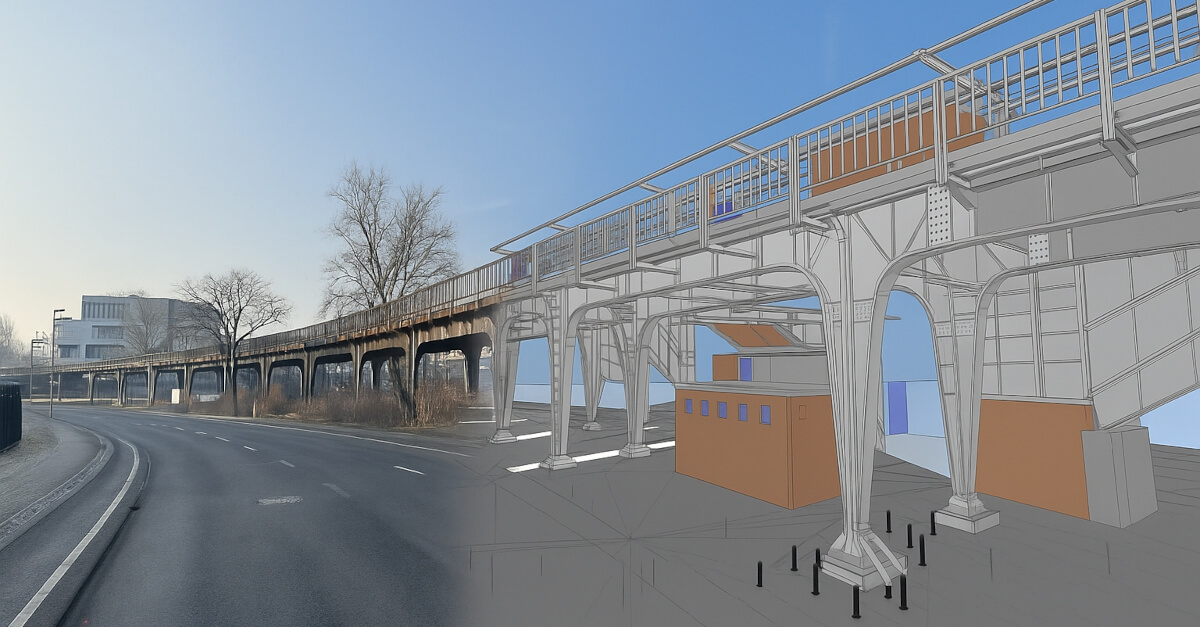
This was the case with Berlin’s Siemens Railway, a historic S-Bahn line that ceased operation in 1980 and is now being reactivated to support the redevelopment of Siemensstadt. As part of the project, stations, viaducts, and other railway infrastructure must be modernized while maintaining consistency across a large, multidisciplinary team.
To support this process, KREBS+KIEFER developed an information-rich BIM model that combined geometric data with structured asset information. Automated attribute assignment, IFC-based workflows, and parametric modeling tools helped ensure that project information remained consistent and accessible throughout the planning process.
The result is a digital representation of the railway and its assets that enables teams to manage information, coordinate design changes, and make informed decisions throughout the reactivation project. For complex infrastructure upgrades, this combination of geometry and data is becoming an increasingly important part of modern digital twin workflows.
Rebuilding in the Ahr Valley: Coordinating Complex Bridge Reconstruction
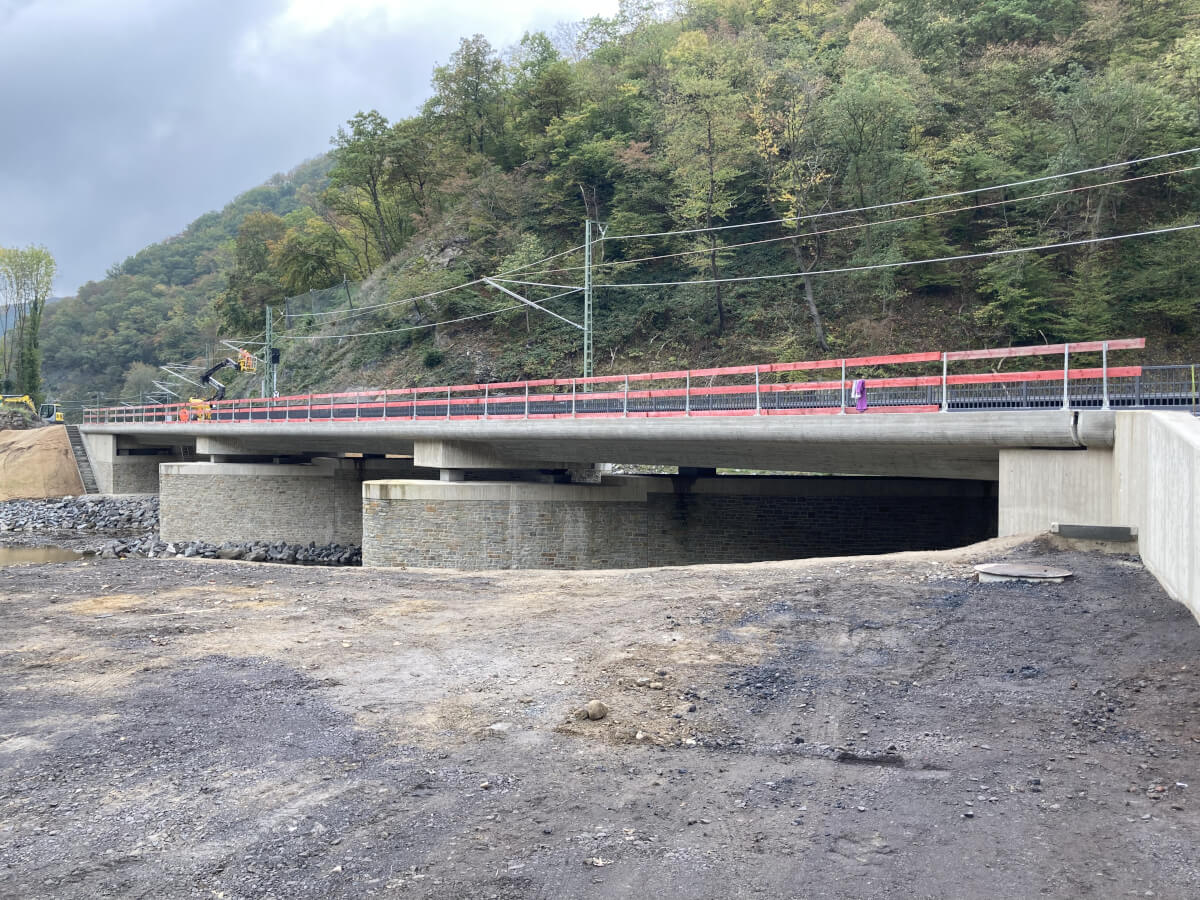
Following the devastating floods that struck the Ahr Valley in 2021, more than 100 bridges required repair or replacement. Among them was a new pedestrian and cycle bridge designed to restore an important local connection while improving resilience for the future.
For Harrer Ingenieure, the project provided an opportunity to use a comprehensive digital bridge model throughout the design and analysis process. The bridge geometry, construction stages, prestressing tendons, load cases, and reinforcement were all developed within a single parametric model. As the design evolved, engineers could quickly update the model and assess the impact of changes across the structure.
This approach simplified coordination between planning and structural analysis while providing a detailed digital representation of the bridge throughout its development. In a reconstruction project where speed, accuracy, and reliability were essential, the model helped streamline workflows and support more informed engineering decisions from concept through to final design.
Better Outcomes for Existing Assets
As infrastructure networks age, understanding existing assets is becoming just as important as designing new ones. These projects show how digital twins and BIM-based workflows help engineers bring together data, geometry, and asset information to make better decisions throughout renovation and replacement projects. Whether modernizing railways, replacing bridges, or rebuilding after disaster, digital models are helping teams reduce risk, improve coordination, and deliver more resilient infrastructure for the future.