Why Agility Is Becoming the New Competitive Standard in Precast
Centralized order tracking and workflow visibility helped Pieper Power scale from 1–2 to 10–20 prefab orders per week in just one of its electrical prefabrication shops.
For more than 75 years, Pieper Power has built a reputation for delivering high-quality electrical, mechanical, and automation solutions. With nine offices across Wisconsin and Michigan, Pieper Power serves customers in diverse markets, including commercial, healthcare, industrial, utilities, and residential. Part of the PPC Partners family of companies, Pieper Power operates multiple dedicated electrical prefabrication shops that produce assemblies and components for projects ranging from small service requests to large distribution centers.
In summary: > Pieper Power replaced emails, spreadsheets and handwritten notes with a centralized prefabrication workflow using Manufacton. > The platform gives the team greater visibility into order status, production, quality control, manpower planning and deliveries. > Centralized information reduced administrative work and created a single source of truth for prefab orders. > Manufacton helped Pieper Power establish scalable processes to support both one-off requests and large, complex projects. |
As customer demand increased, Pieper Power expanded its electrical prefabrication operations and recognized that manual processes would not support long-term growth. To create a more structured and scalable operation, Pieper Power implemented Manufacton, Allplan’s cloud-based prefabrication management platform.
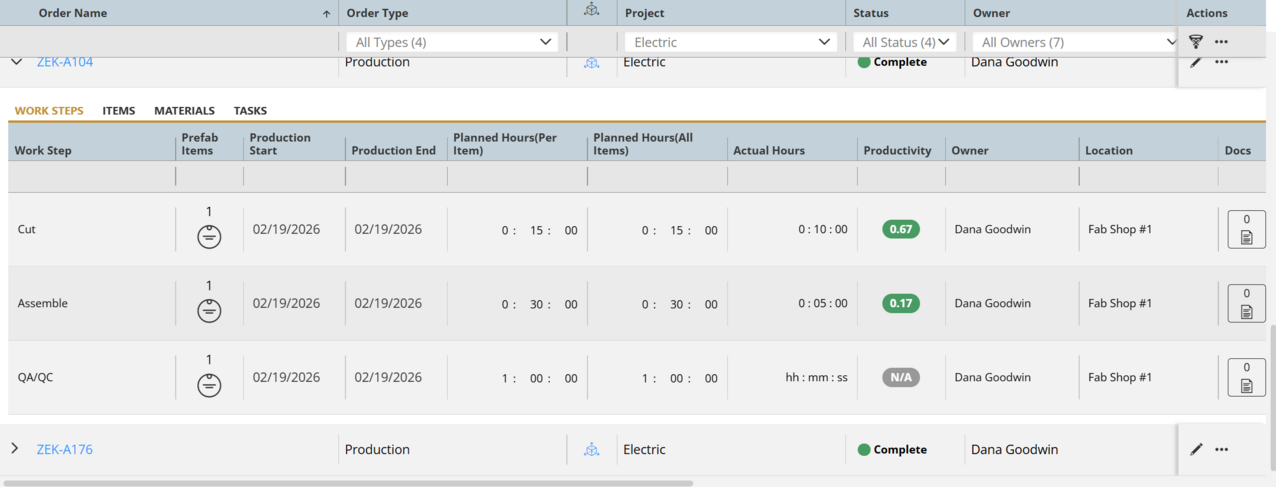
Today, the company uses Manufacton to centralize order entry, manage bills of materials, track production and quality control, and coordinate deliveries to jobsites. The result is a more organized and transparent workflow that enables the prefabrication team to handle significantly higher order volumes with greater visibility and confidence.
Company Profile Company: Pieper Power |
The Challenge: Rapid Growth Outpaced Manual Processes
Before implementing Manufacton, prefab orders were managed through a patchwork of emails, phone calls, handwritten notes, and spreadsheets. Field personnel would call the shop with requests for conduit bends, assemblies, and material packages. The prefab shop manager was responsible for collecting these requests, tracking priorities, and coordinating deliveries manually.

As demand increased, this approach became increasingly difficult to sustain.
“It was an administrative nightmare,” said Alyssa Johnson, former Process Engineer at Pieper Power. “There wasn't a single location or a single source of truth. We were constantly searching through emails, phone calls, and notes to figure out where requests came from and what was needed.”
- Alyssa Johnson, Pieper Power
The manual process created several operational challenges:
> No centralized system to track order status.
> Limited visibility into delivery commitments.
> Difficulty planning labor and shop capacity.
> Inconsistent quality documentation.
> Significant administrative burden on shop leadership.
Most importantly, the prefab shop manager spent valuable time managing paperwork rather than focusing on production, quality, and team development.
The Solution: A Centralized Platform Built for Prefabrication
After evaluating multiple solutions, Pieper Power selected Manufacton because it met more of the team’s requirements than competing platforms. Manufacton provided a structured, cloud-based workflow for managing prefabrication from order intake through production, quality control, and delivery.
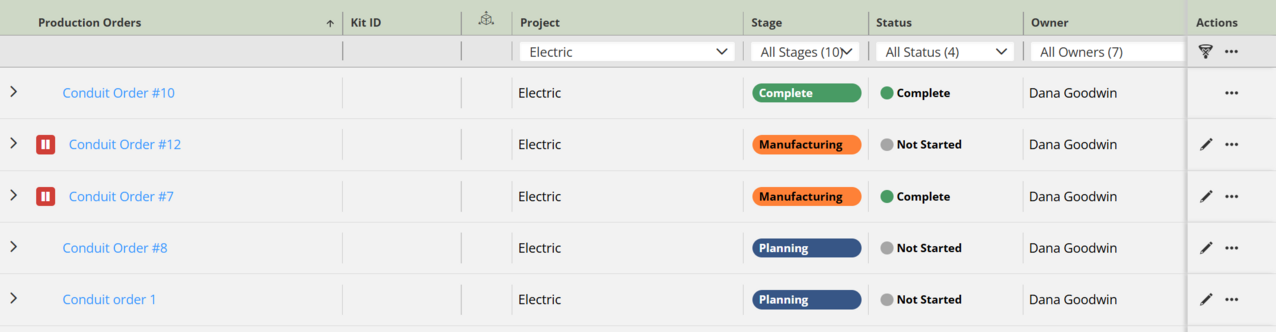
Pieper Power began implementation while simultaneously building its prefabrication operation from the ground up. Rather than simply replacing an existing software tool, the team was establishing new business processes and standardizing how work would flow through the shop.
Johnson served as the internal subject matter expert, working closely with Allplan’s implementation consultant. Despite the complexity of launching both a new shop and a new software platform, Pieper Power successfully created a standardized and scalable operating model.
How Pieper Power Uses Manufacton
Today, Manufacton supports the company’s end-to-end prefabrication process:
1. Order Entry & Setup – New prefab requests are entered into a centralized system. Bills of material and supporting drawings are developed.
2. Production Planning – Orders are prioritized by required delivery dates.
3. Shop Execution – Work is grouped for operational efficiency.
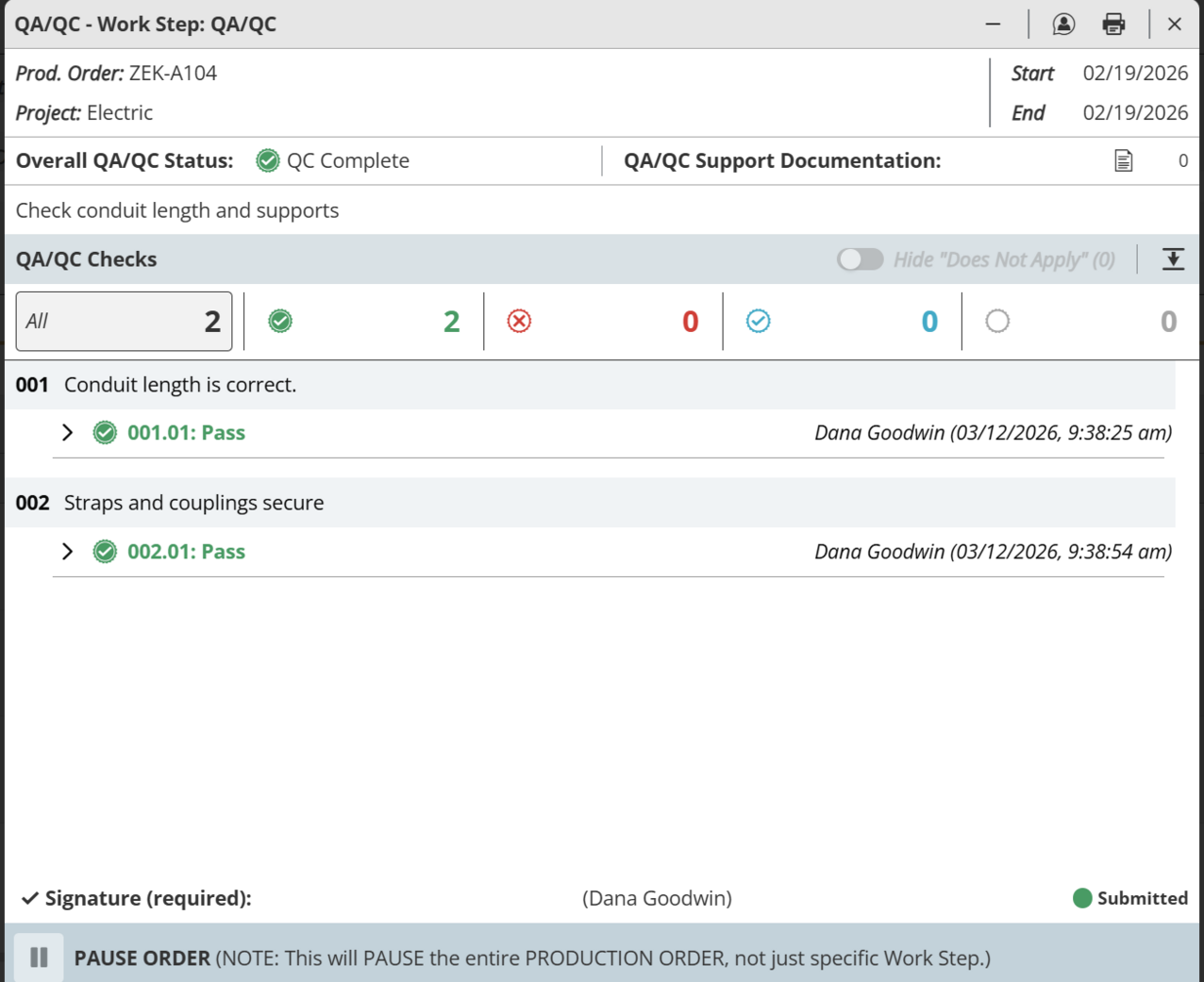
4. Quality Control – QA/QC checklists are completed and recorded.
5. Shipping and Delivery – Shipping forms and delivery confirmations are generated and tracked.
From the initial request through production, quality control, and final delivery, this structured workflow gives Pieper Power a single source of truth for every active order.
“Having all of our orders in one single source is by far the biggest benefit.”
- Alyssa Johnson, Pieper Power
Pieper Power also values Manufacton’s flexibility. The platform is equally effective for managing small one-off requests, such as a single custom bend, and large, multi-phase projects, including major distribution centers with multiple floors and work areas.
“It’s really good at managing these one-off projects, and it’s equally as good at managing larger projects. That’s very helpful because we have a lot of both.”
- Alyssa Johnson, Pieper Power
The Results: Improved Visibility and a Stronger Foundation for Growth
Pieper Power’s prefabrication operation has grown significantly over the past year since implementing Manufacton. According to Johnson, one of Pieper Power’s electrical prefabrication shops increased from processing approximately one to two orders per week during its early stages to routinely managing 10 to 20 orders per week today — a 10x increase in weekly order volume.
This increase in volume underscores the importance of having a structured system to track every order, monitor delivery commitments, and plan labor accordingly.
“The more and more orders we get, the more important it is to have all of our orders in Manufacton so we can see where they are, when they need to be delivered, and how to plan our manpower accordingly.”
- Alyssa Johnson, Pieper Power
Although Pieper Power is still in the early stages of its prefabrication journey, the operational benefits are already clear. By centralizing all prefab requests in a single platform, the team has eliminated the need to search through emails, handwritten notes, and spreadsheets to understand order status. This visibility has significantly reduced the administrative burden on shop leadership, allowing managers to spend more time supervising production, supporting employees, and maintaining quality standards.
Manufacton also provides real-time insight into order volume and delivery dates, helping management align staffing with demand and make more informed decisions about manpower planning. Built-in QA/QC forms and digital order histories have strengthened traceability, giving the team a more reliable way to investigate and resolve issues when they arise.
Building a Scalable Foundation for the Future
As Pieper Power continues to expand its prefabrication capabilities, Manufacton provides the visibility and process discipline needed to support that growth.
“There were many moments where we wondered why certain steps were necessary. But over time, there were a lot of ‘aha’ moments. You realize the system is designed that way for a reason.”
- Alyssa Johnson, Pieper Power
Johnson’s advice to other contractors exploring Manufacton is simple: commit to the process, follow the workflow consistently, and allow time for the data and operational improvements to accumulate.
With centralized order tracking, built-in quality controls, and better labor planning, Pieper Power has established a stronger foundation for scalable and efficient prefabrication operations.
Key Outcomes at a Glance > Scaled from 1–2 to 10–20 prefab orders per week (10x increase) in one prefab shop. > Established a single source of truth for all prefab orders. > Reduced reliance on emails, spreadsheets, and handwritten notes. > Improved manpower planning based on real-time delivery requirements. > Strengthened QA/QC and issue traceability. > Created scalable workflows for both one-off and large-scale projects. |
Ready to Modernize Your Prefabrication Operations?
Manufacton helps contractors connect project management, fabrication, logistics, and field delivery in one integrated platform.